
Thick smoke that blanketed much of Wisconsin on Thursday, July 16, came from major wildfires outside the state — primarily in northern Minnesota and in several parts of Canada — according to the Wisconsin Department of Natural Resources.
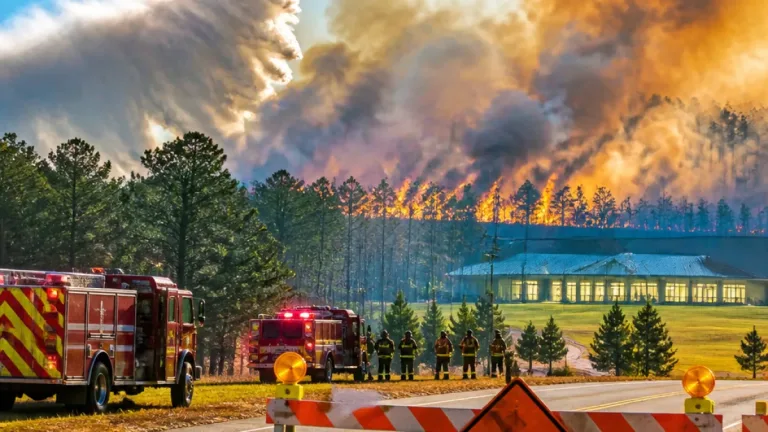
No active large wildfires were reported inside Wisconsin as of the morning of July 16, the DNR's website showed. Instead, officials pointed to vigorous smoke plumes drifting southeast from blazes in the Boundary Waters Canoe Area Wilderness of Minnesota’s Superior National Forest and from Canadian fires, which are producing especially dense haze across the Midwest and into the Northeast.
What residents need to know
The DNR said the Canadian fires are a major contributor to the statewide haze. That smoke can travel long distances and reduce air quality, especially on warm, dry days when winds carry plumes across state lines.
- There were no large, active wildfires in Wisconsin the morning of July 16, according to the DNR.
- Wisconsin has averaged about 900 wildfires annually over the past 10 years, burning nearly 2,000 acres a year, data show.
- In the previous week the state had 13 small fires totaling under two acres; five were attributed to fireworks.
"It definitely seems to be a little earlier this year,"
The DNR’s wildfire prevention specialist, Catherine Koele, told reporters that many of the large fires were sparked by lightning in remote, heavily vegetated areas that have not seen rain in weeks. She said wildfire season in the region typically runs from spring through late summer, and that conditions this year appear to be starting earlier than usual.
Regional response and context
State and regional agencies are coordinating. The Wisconsin DNR and neighboring Midwestern states have been sending personnel and equipment to assist firefighting efforts in Minnesota.
| Measure | Figure |
|---|---|
| Average annual wildfires in Wisconsin (past 10 years) | ~900 |
| Average acres burned annually | ~2,000 acres |
| Wildfires in Wisconsin last week | 13 (under 2 acres total) |
Officials noted an uptick in wildfire activity is not uncommon during dry periods and around late June and early July, particularly after holiday weekends. The DNR urged residents to remain cautious with fire and fireworks and to check local air-quality advisories if they have breathing issues or other health concerns related to smoke.
For updates on active fires and air-quality guidance, consult the Wisconsin DNR website and local public health resources.