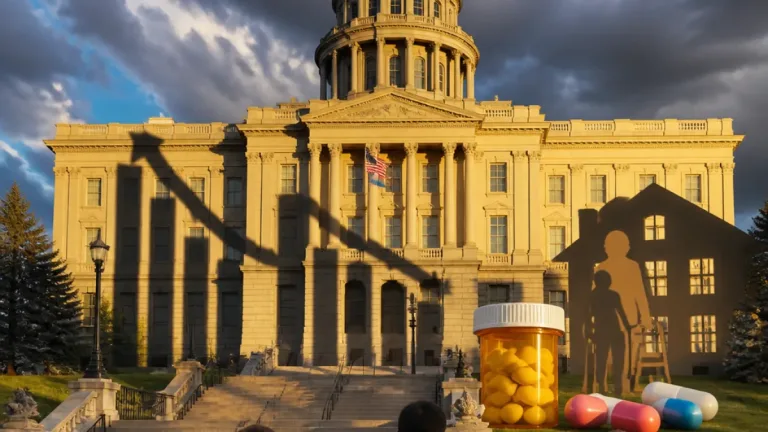
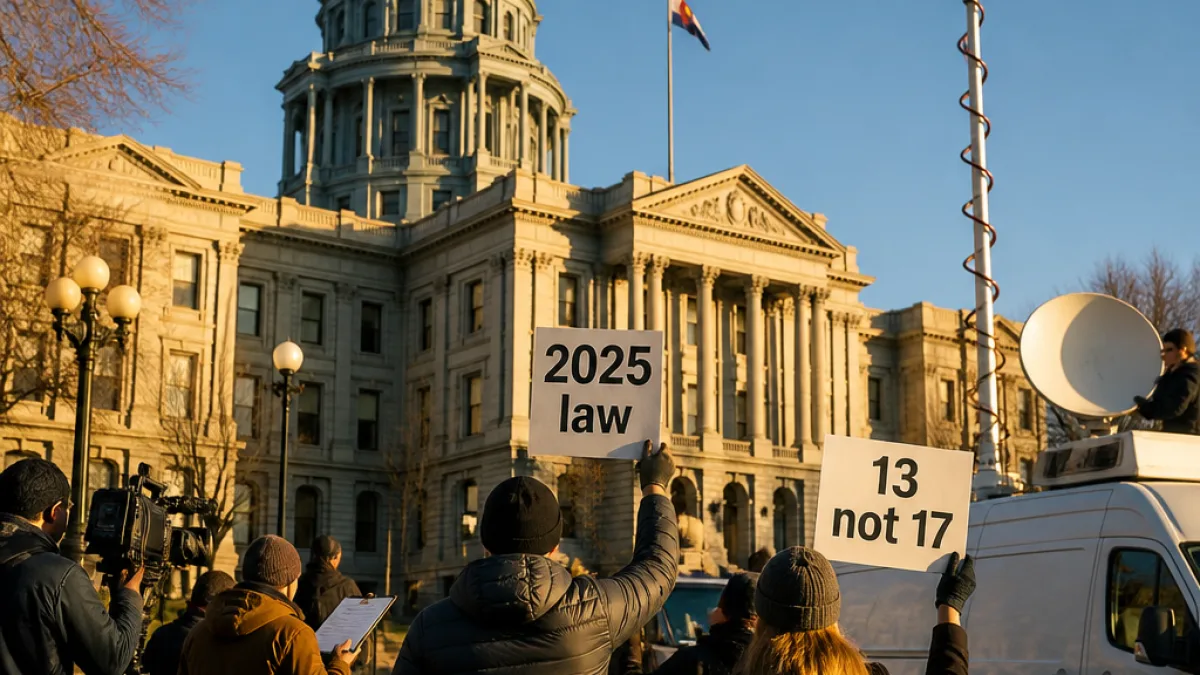
The law Colorado passed addressing sexually explicit content of children generated by artificial intelligence was enacted in 2025, not in 2026, and the tally of Republican opponents in the state House was 13, contrary to social media posts that claimed 17, a review from a national fact-checker found.
What the law does — and what it does not do
The legislation specifically prohibits producing a digital depiction of a real-life, identifiable child "engaged in, participating in, observing, or being used for explicit sexual content." It does not ban AI-generated imagery of children who do not exist in real life. That distinction has been a focal point for both supporters and critics of the bill.
"It specifically prohibited generating a digital depiction of a real-life, identifiable child 'engaged in, participating in, observing, or being used for explicit sexual content,'" Patrick Mueller, a spokesperson for the Colorado District Attorneys' Council, said in an email.
Vote counts, sponsors and legislative posture
The bill was sponsored by two Democrats and one Republican and passed with broad bipartisan backing. The Colorado Senate approved the measure unanimously. In the House, the roll call showed 13 Republicans and nine Democrats voting against it.
| Item | Detail |
|---|---|
| Year passed | 2025 |
| House opponents | 13 Republicans, 9 Democrats |
| Senate vote | Unanimous approval |
| Sponsors | Two Democrats, one Republican |
Why the distinction matters locally
Debate around the bill centered on two issues: whether the statute would effectively address abusive or exploitative images involving identifiable children, and concerns that language in the bill could shield large AI companies from civil liability. Opponents from both parties said at the time they worried the measure moved too quickly through the legislature.
- What is illegal: AI-created sexual imagery that depicts a real, identifiable child.
- What remains legal under state law: AI-generated sexual imagery of non-existent children (i.e., not tied to a real child).
- Public confusion: Social posts in July 2026 incorrectly dated the law and misstated the party-line vote count.
For Colorado residents, the key takeaway is that the law targets harm tied to identifiable children and was enacted in 2025 with bipartisan support. Lawmakers and legal advocates have continued to discuss how to balance protecting children, preserving free expression, and ensuring accountability for technology firms. Readers with concerns about specific online content or legal questions should consult local prosecutors' offices or legal counsel for guidance on enforcement and remedies.
— Reporting for News Block by the Colorado desk.