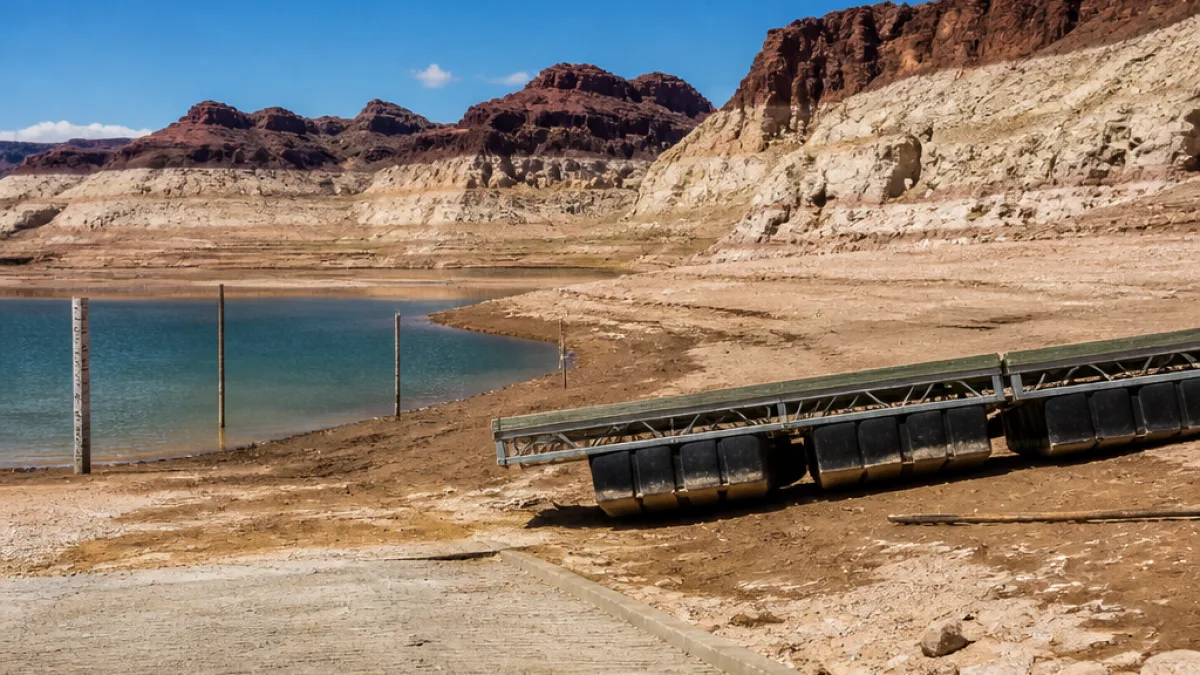
Two of the West’s most important reservoirs — Lake Powell and Lake Mead — have fallen to the lowest combined storage recorded in nearly seven decades, a new paper from Colorado River experts found, placing the region in what researchers call "uncharted territory." The findings, published July 17, 2026, underline mounting stress on a system that supplies water to cities, tribes and farms across seven states.
What the record means
The research team, which includes academics and retired water officials, argues that treating Lake Powell and Lake Mead separately obscures the true volume of water available from the Colorado River. Their analysis shows combined storage is at levels not seen since May 1957 — a period before Lake Powell existed.
"It's a real reminder of what a remarkably small amount of water we have left in the system," said Jack Schmidt, co-author and director of the Center for Colorado River Studies at Utah State University. "We've never been in this position. We are truly in uncharted territory."
Schmidt and his co-authors warn that declining snowmelt, prolonged drought conditions and rising temperatures driven by climate change have reduced inflows to the reservoirs. At the same time, demand from cities and agriculture has been difficult to curtail, creating a growing imbalance between supply and use.
Policy standoff and possible federal action
Negotiations among the Colorado River basin states have been stalled, the paper says. Officials have not agreed on which states or water users should reduce use, leaving the federal government poised to step in with new rules for sharing the river. That intervention could prompt lawsuits from states and water users, potentially escalating to the U.S. Supreme Court.
- Scope: The Colorado River serves nearly 40 million people across seven Western states.
- Historical comparison: Combined storage last this low in May 1957.
- Drivers: Lower snowmelt, prolonged drought, climate change, and sustained human demand.
Local and regional stakes
For Colorado residents, the shift in reservoir levels will affect municipal water managers, agricultural producers on the Western Slope, and tribal communities that rely on predictable Colorado River allocations. Reduced storage can force tougher conservation measures, change irrigation schedules, and increase the cost and complexity of water planning.
| Reservoir | Situation |
|---|---|
| Lake Powell | Part of the combined record-low storage; reduced inflows from Rocky Mountain snowmelt |
| Lake Mead | Part of the combined record-low storage; supports major cities and agriculture |
The authors urge policymakers to pursue larger, coordinated reductions in river withdrawals and to accelerate planning for long-term supply declines. Without agreed-upon cuts, federal rulemaking could impose allocations that some states and users contest — a scenario that could reshape water governance across the West.
Colorado communities, water districts and elected leaders will be closely watching federal and interstate developments in the coming months as officials attempt to reconcile short-term needs with a long-term trajectory of reduced river flows.
Reporting for this story included analysis from a paper published July 17, 2026, and interviews with one of the paper’s authors; it reflects the current state of water storage and the policy context as described by the researchers.