
WASHINGTON — The Interior Department finalized a rule Friday that narrows the federal government’s definition of “harm” under the Endangered Species Act, a change the administration says restores the law to its original scope and opponents warn will permit development on critical wildlife habitat across the country, including Utah.
What changed and what it means
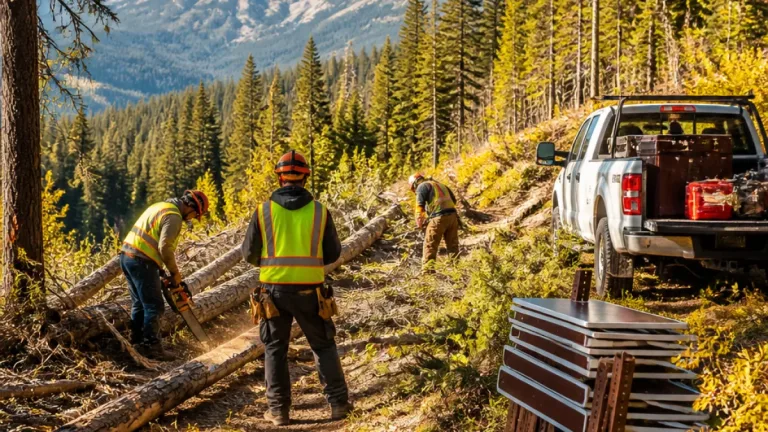
For decades, agencies interpreted “harm” broadly to include activities that alter or destroy places where threatened or endangered species live. The new rule limits that interpretation, allowing activities such as oil and gas drilling, mining, logging and other development so long as agencies determine the animals themselves will not be killed or injured.
Administration officials framed the action as a rollback of what they describe as regulatory overreach. In a statement, Interior Secretary Doug Burgum said prior definitions of harm represented "an intrusion on private property rights." Officials point to a 2024 Supreme Court decision that constrained how federal agencies interpret environmental statutes as prompting the change.
"For years, federal agencies abused the ESA to obstruct lawful land use and burden American families and businesses," Interior Secretary Doug Burgum said in a statement.
Environmental groups and conservation advocates responded sharply. They warned the narrower standard would allow widespread habitat modification that, while not immediately lethal to individual animals, could undermine species’ long-term survival — the leading cause of extinction is habitat loss, they say.
"This is one of the most horrific attempts to harm wildlife in American history and a gift to the oil barons and foreign mining companies," Aaron Weiss, executive director of the Center for Western Priorities, said.
Local implications for Utah
While the rule is national, its practical effects will be felt on western public lands. In Utah, where energy development, mining and timber activity intersect with habitat for listed and sensitive species, the change could ease approval for projects that previously would have been constrained by broader habitat protections.
The administration says the rule returns the Endangered Species Act to its original intent and reduces burdens on private landowners and businesses. Conservation organizations counter that the narrower definition undermines the law’s core goal of preventing extinctions by protecting the places species need to survive and recover.
Legal challenges and additional rulemaking remain possible. The rule was first proposed in April 2025 and faced opposition from environmental groups that sought to block its implementation; those efforts were unsuccessful.
Stakeholder positions
- Interior Department: Argues the change restores statutory intent and protects property rights.
- Industry and Republican allies: Say the previous interpretation was too broad and impeded economic activity.
- Conservation groups: Warn the shift will open critical habitat to destructive uses and increase extinction risk.
| Actor | Position |
|---|---|
| Interior Secretary Doug Burgum | Supports the rule; calls prior interpretation an intrusion on property rights |
| Center for Western Priorities (Aaron Weiss) | Opposes the rule; calls it harmful to wildlife and favors industry |
Officials say this measure is part of a broader package of changes to wildlife protections pursued by the administration. Residents and stakeholders in Utah who use, manage or depend on public lands will likely see the practical results of the rule through approvals of projects and changes to habitat management decisions made by federal agencies.
Further litigation or congressional action could alter the rule’s implementation. For now, the finalized definition marks a significant shift in how the federal government evaluates activities that affect threatened and endangered species and the places they inhabit.