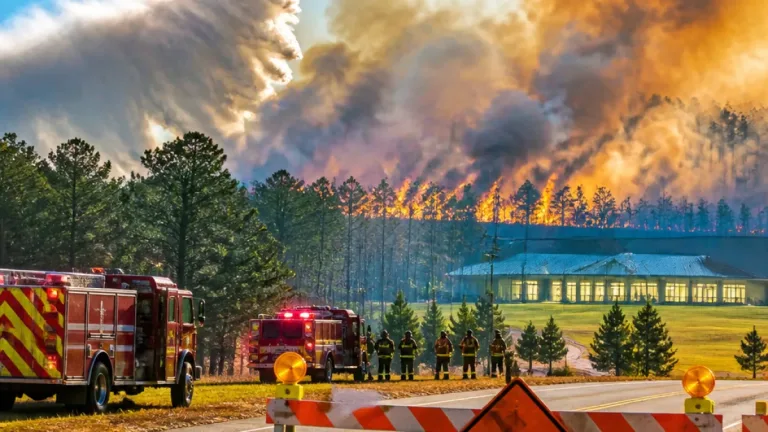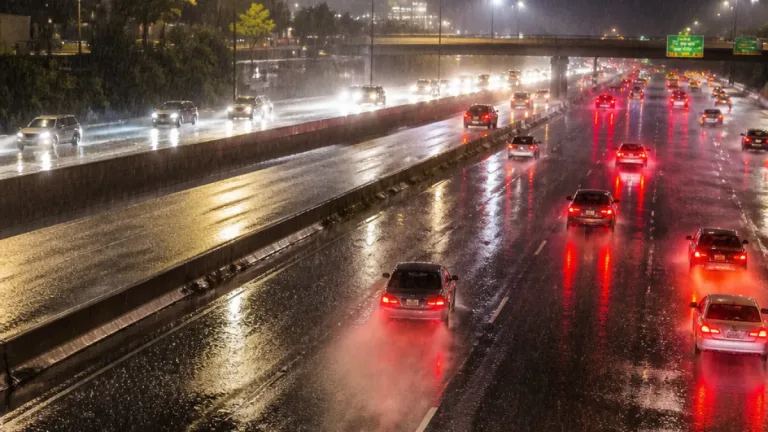

The National Weather Service Wednesday afternoon issued a series of flash flood warnings across central and southern Utah, targeting burn scars, canyons and travel corridors where sudden debris flows and life-threatening flooding are possible.
Who and where are at risk
Authorities said the warnings were concentrated along US-89 and in canyon and gorge areas downstream from recent fire scars. Officials specifically named the Cottonwood Fire burn scar and the Silver King scar as sources for expected debris flows that could affect roads and low-lying locations.
"Move to higher ground and away from the burn scar immediately."
The alerts covered multiple locations, including Beaver Creek and Deer Creek Canyon, the Hoover Rest Area vicinity, and outlets along US-89. Additional warnings extended to the Kanarrville Falls area, San Rafael River Gorge, Buckhorn Wash, Enterprise, Newcastle and Beryl Junction, in addition to broader notices for Emory, Garfield and Wayne counties.
What residents and travelers should do
- Heed evacuation and safety instructions: if you are in or downstream of a burn scar, move to higher ground immediately.
- Avoid driving through flooded roads, underpasses or debris-laden stream crossings.
- Monitor official channels — local law enforcement, the National Weather Service and county emergency management — for updates and road closures.
National Weather Service forecasters warned the flooding could be life-threatening and said it may impact creeks, streams, urban areas, streets and underpasses. Emergency managers typically emphasize that even shallow, fast-moving water can sweep vehicles off roadways and overload drainage channels below burn scars.
| Area | Concern |
|---|---|
| Cottonwood Fire burn scar | Debris flow downstream to US-89 |
| Silver King burn scar / Hoover Rest Area | Debris flow at Beaver Creek outlet on US-89 |
| Kanarrville Falls, San Rafael River Gorge, Buckhorn Wash | Flash flooding and debris in canyons |
| Enterprise, Newcastle, Beryl Junction | Localized flash flood warnings |
Local authorities often close affected road segments without notice during intense storms. Travelers in southern and central Utah should allow extra time, plan alternate routes and avoid camping or parking below steep slopes or drainage channels.
Residents who live near washes, arroyos or stream channels should stay alert for rapidly rising water and unusual sounds from moving debris. If you encounter floodwaters while driving, turn around and use an alternative route — do not attempt to cross flooded roadways.
News Block will update this story as county emergency management agencies and the National Weather Service release more information about warnings, road closures and safety advisories.