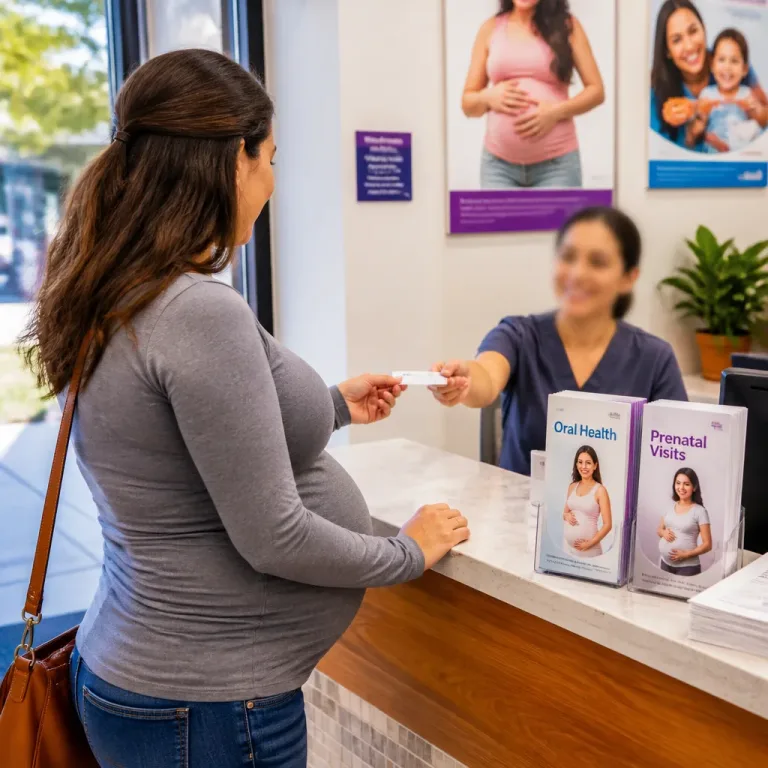

Hillsborough County’s long-running program that helps uninsured adults access primary and specialty care is facing possible elimination after a county advisory body urged commissioners to phase it out. Advocates and enrollees warn the move could leave many without a clear pathway to care and increase pressure on the county’s public hospital.
Program history and recent trends
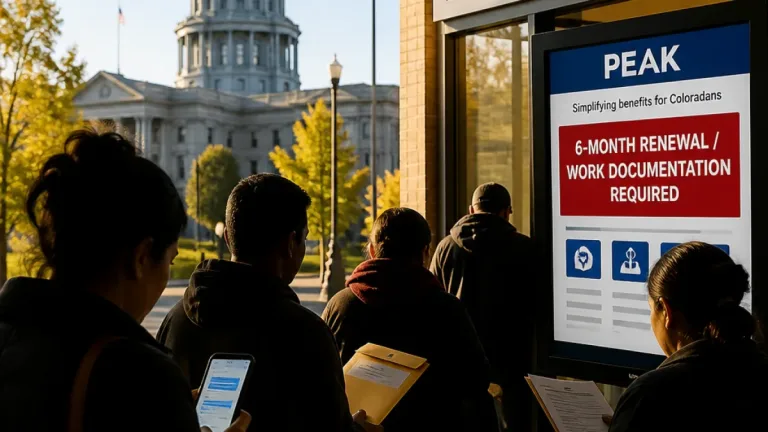
Created in 1991 to reduce uncompensated emergency care at Tampa General Hospital and to connect patients with primary care, the county health care plan serves adults ages 18–64 who are legally in the U.S. and reside in the county. County officials say enrollment in the program has climbed sharply — rising about 20% since key Affordable Care Act subsidies expired in December — while premiums for participants have tripled. County data also show roughly one in six adults under 65 in Hillsborough County lack health insurance.
Recommendation to phase out and why
The county’s DOGE Liaison Committee — described by county materials as a local counterpart to cost-savings initiatives at state and federal levels — recommended phasing out the plan, arguing it is now less necessary because of “Medicaid modernization and the Affordable Care Act marketplace.” The recommendation comes as county leaders balance the budget and consider potential revenue shortfalls if a November ballot measure to reduce property taxes is approved.
Personal impact and hospital implications
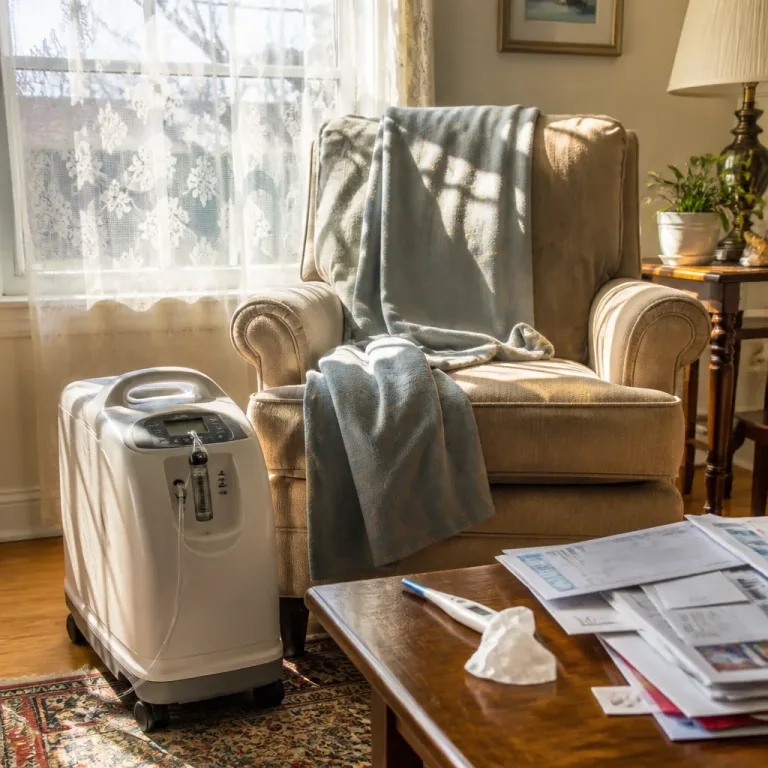
For residents like Nicole Chapman of Seminole Heights, the plan is sometimes the difference between delayed care and timely diagnosis. Chapman lost Medicaid coverage in 2020 when her youngest child turned 18 and later relied on telehealth and urgent care before a county worker helped her enroll. Under the program, she received coverage for surgery to remove a 10-inch tumor.
"Losing the program would be devastating," Chapman said. "You know how they always say to put your own oxygen mask on before helping someone else? Having insurance is like putting your own mask on first so you can take care of your family."
County leaders originally designed the program to divert patients from expensive emergency-room visits and steer them into primary care focused on early intervention. Hillsborough is one of six Florida counties that fund such safety-net coverage in part through a dedicated sales surtax.
Budget pressures and next steps
Commissioners previously discussed scaling back the program during a January workshop, and the DOGE committee’s latest recommendation arrives as county staff craft next year’s budget. Officials have not adopted a final plan; discussions are ongoing. Any change would likely require careful consideration of enrollment trends, uncompensated care costs at Tampa General Hospital, and alternatives for residents who would lose coverage.
- Enrollment up: ~20% increase since December subsidies ended.
- Premiums: Tripled for participants amid the subsidy lapse.
- Coverage gap: About 1 in 6 adults under 65 in the county uninsured.
| Metric | Reported change/level |
|---|---|
| Enrollment | +20% since subsidy expiration |
| Participant premiums | Tripled |
| Uninsured adults (under 65) | About 1 in 6 |
As discussions continue, county residents, hospital officials and health advocates will be watching closely. Any decision to reduce or end the health care plan could shift costs back to hospitals and emergency departments, create gaps in primary care access, and affect the financial stability of the county’s safety-net health system.
This report draws from county statements, program data released by local officials and interviews with enrollees; it does not provide medical advice.