What the House vote means for Richmond
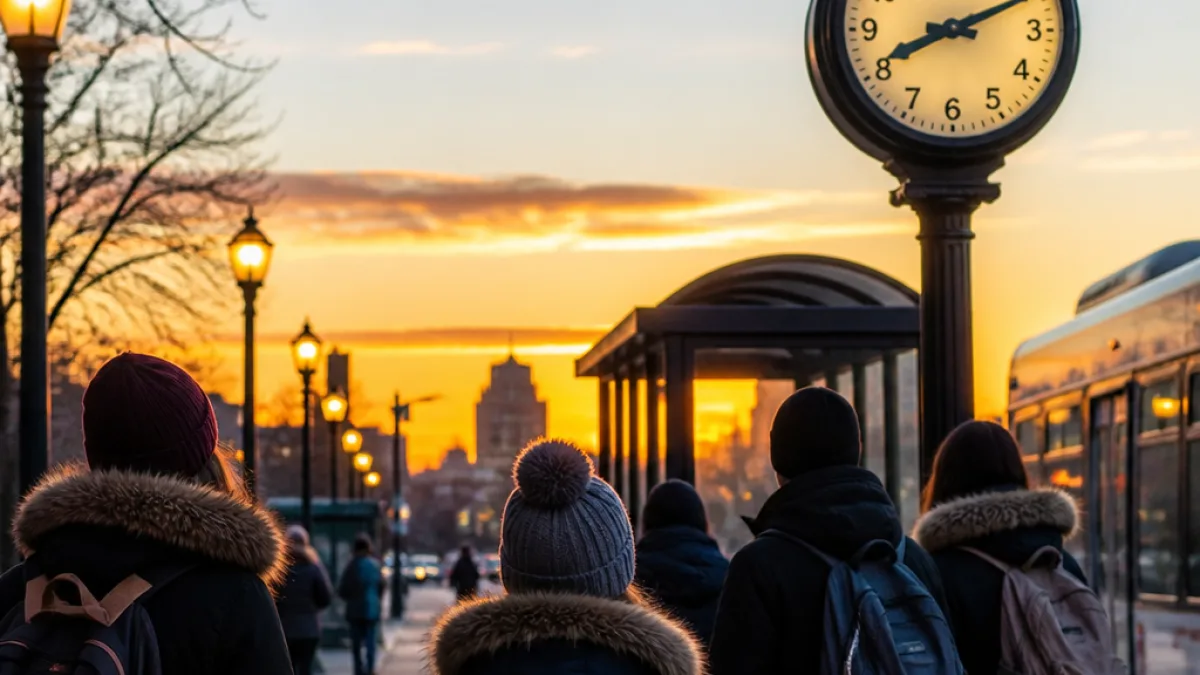
The U.S. House has approved legislation to make Daylight Saving Time permanent nationwide, advancing the Sunshine Protection Act to the Senate. For Richmond residents, the change would shift more daylight into the evenings in the colder months — but it would also push winter sunrises much later, altering morning light for schools, commuters and workers.
How mornings and evenings would shift here
Local sunrise and sunset times under permanent Daylight Saving Time would differ noticeably from the current clock. Using early January as an example, the switch would move sunrise roughly an hour later while keeping sunset about an hour later as well.
| Date | Current Sunrise | Current Sunset | Sunrise (permanent DST) | Sunset (permanent DST) |
|---|---|---|---|---|
| Jan 1 | 7:24 AM | 5:02 PM | 8:24 AM | 6:02 PM |
| Jan 7 | 7:24 AM | 5:07 PM | 8:24 AM | 6:07 PM |
Those shifts mean many Richmonders would begin their days in the dark for extended periods in winter. Schoolchildren, in particular, could face weeks where the sun does not rise until after 8:20 a.m.
Why some senators hesitate
The House measure now moves to the Senate, where lawmakers from both parties have expressed reservations. One central concern cited by opponents is the darker mornings for children and commuters; making DST permanent does not create additional daylight, it only redistributes it to later in the day.
"President Trump says he’s in favor of what’s called the 'Sunshine Protection Act.'"
How this compares to permanent Standard Time
Supporters of keeping the twice-yearly clock change have also pointed to an alternative not currently before Congress: adopting permanent Standard Time. Under that approach, summer sunrises would occur earlier and evenings would end earlier. The House bill does not pursue that path.
- Immediate effect if passed: No more clock changes in spring and fall.
- Local impact in winter: Later sunrises (after 8 a.m.) and later sunsets (around 6 p.m.).
- Key debate: Whether darker winter mornings are worth brighter evenings.
Richmonders should watch the Senate debate and how policymakers weigh safety, schooling schedules and commerce. Any final law would change daily rhythms long held across the region — and the decision will shape whether mornings or evenings get the brighter hours year-round.