The surge in initiative petitions this year has put renewed focus on Massachusetts' nearly century-old ballot question process and prompted lawmakers to consider reforms aimed at curbing paid signature gathering and improving campaign transparency.
Why the current system worries lawmakers
Critics say the initiative route, created in 1917 to give voters a direct path when elected officials block popular reforms, is being distorted by an industry that buys ballot access. The Legislature’s own slow pace, some argue, has driven citizens to seek that direct route — but the presence of paid petition circulators and large sums of outside money threatens the process’ democratic purpose.
"The whole system is fraught with peril," Massachusetts House Speaker Ron Mariano said in February about the year's record number of initiative petitions.
Advocates of the initiative process note its role in delivering landmark reforms — including the millionaires surtax, legalization of recreational marijuana and changes in farm-animal treatment — and say ballot measures can boost turnout. Still, lawmakers across the political spectrum have expressed concern that the mechanism is now dominated by well-funded interests.
Proposed changes and transparency steps
Legislation that cleared both the House and Senate earlier this year would tighten reporting requirements for ballot-question campaigns, making their disclosure schedule align with that of candidates running for office. The bills have not yet been sent to the governor’s office.
Sen. Barry Finegold of Andover, who shaped language in the Senate bill, described the current practice as "buying access to the ballot," arguing it undermines the original intent of the initiative process.
"It's not being used as it was intended," Finegold said. "Buying access to the ballot … the system doesn't feel right."
- Transparency: New reporting would require more frequent disclosures of donations to ballot campaigns.
- Paid signature gathering: Reformers want limits or stricter rules to curb for-hire circulators who collect signatures on behalf of petition committees.
- Intent: Supporters of the initiative process stress its role when the Legislature stalls on policy change.
Costs highlight the scale of the issue
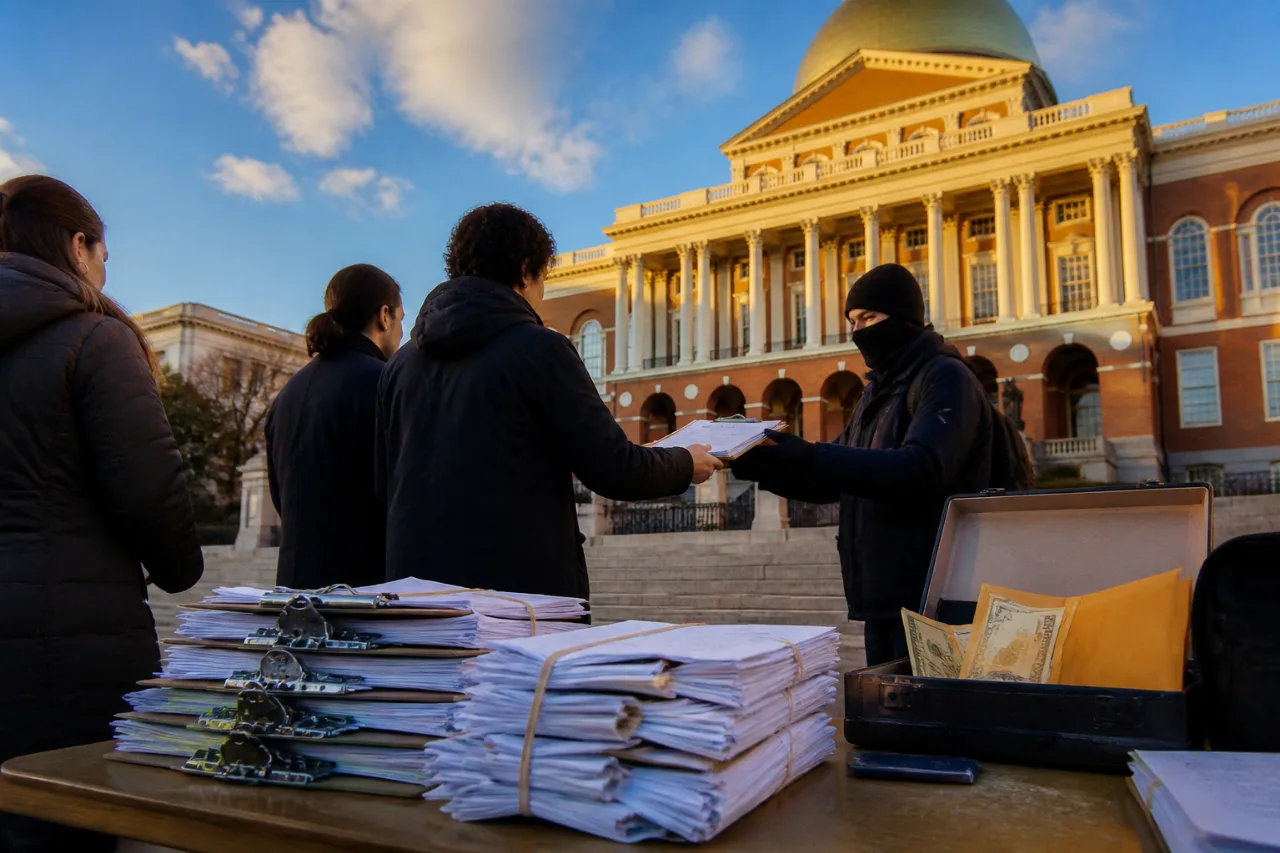
Analyses of recent ballot drives show substantial spending on paid circulators. One review cited by reform advocates found that five ballot-question committees spent a combined $6.4 million on signature gathering in 2024 — an average of about $14.80 per signature. Those figures have driven much of the urgency for change.
| Metric | Figure |
|---|---|
| Total spent on signature gathering (2024) | $6.4 million |
| Average cost per signature | $14.80 |
| Year initiative process created | 1917 |
Proponents of reform say requiring more frequent disclosure will let voters and journalists see who is bankrolling drives in time to influence public debate. Opponents warn that stricter rules could chill grassroots organizing or burden small advocacy groups.
Stakes for voters and the Legislature
For county and state officials, the outcome of the debate matters for how public policy gets set in Massachusetts. If reforms limit paid circulators or strengthen reporting, future ballot drives may be smaller or rely more on grassroots volunteer efforts. If the Legislature does not act, critics say the initiative route will remain susceptible to influence by deep-pocketed interests and continue to provoke calls for broader change in how proposals reach the ballot.
Lawmakers are weighing technical changes aimed at transparency now; deeper structural reforms — such as altering signature thresholds, residency rules for circulators or public financing for campaigns — would require broader debate and possible constitutional changes. For now, Massachusetts voters will watch whether the state tightens disclosure, reins in paid signature gathering, or leaves the century-old system largely intact.
— Erin Sullivan, News Block