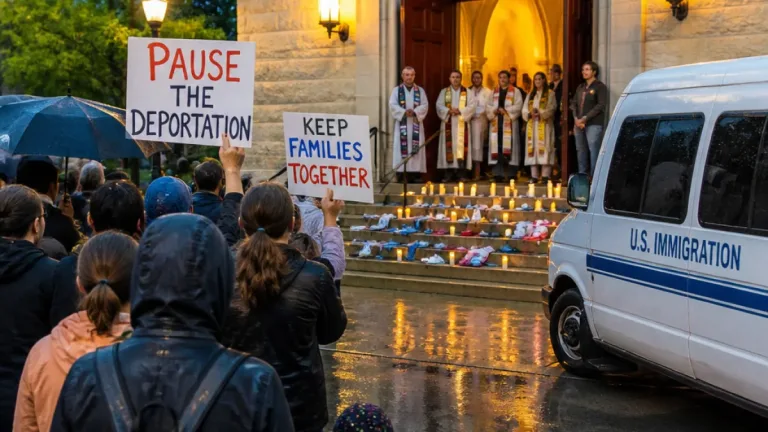
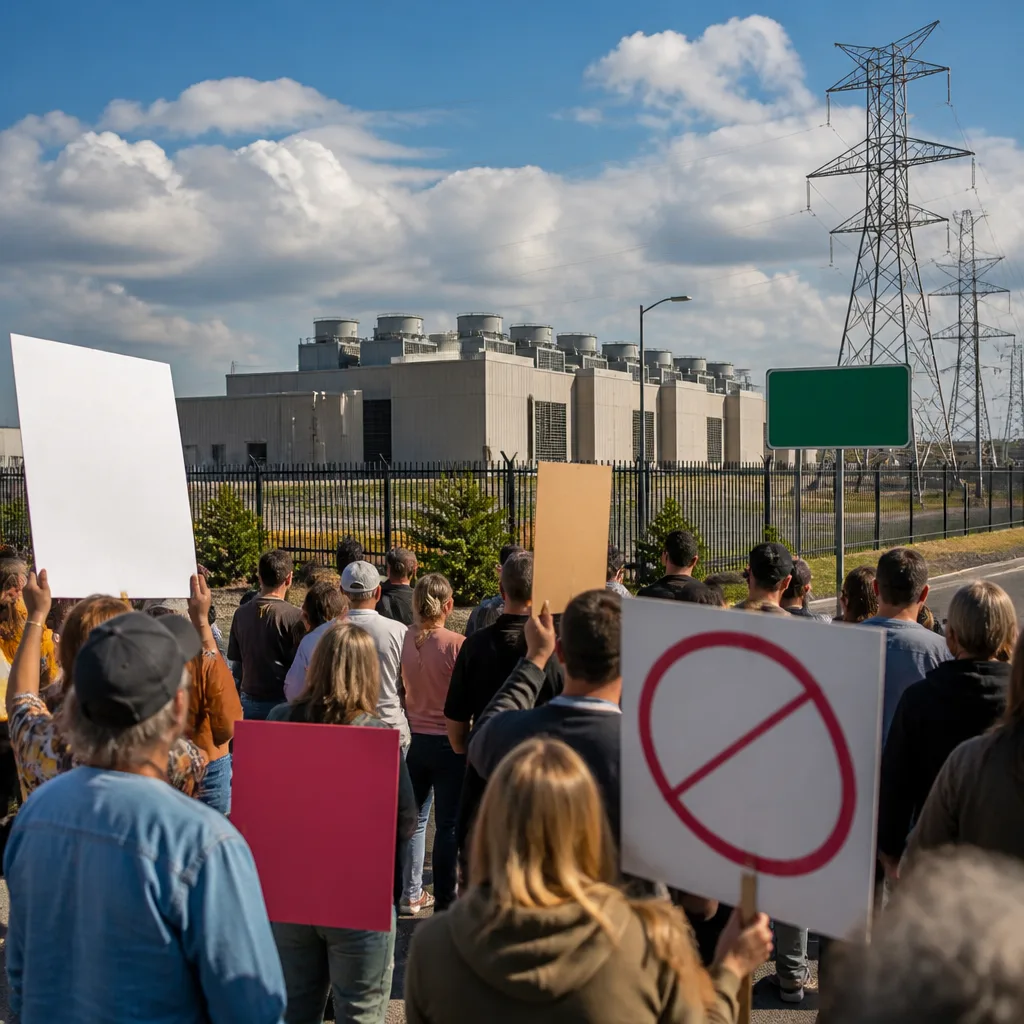
Communities in at least 125 locations across the United States are set to stage protests this weekend targeting the rapid construction of data centers that power artificial intelligence, a coordinated push reflecting growing public unease about the industry’s local impacts.
What started as isolated battles in small towns and counties has been stitched into a national movement led by a grassroots group called HumansFirst, whose founders include a former leader of the modern Tea Party. Organizers say the goal is to channel diffuse anger about what they describe as an “unaccountable” buildout and an “unacceptable infringement on our liberty,” framing opposition as nonpartisan and rooted in direct community experience.
From local fights to a national backlash
Across the U.S., residents and local officials have raised similar complaints: long-term contracts that can drive up electric bills, heavy demands on limited water supplies, potential pollution and deals negotiated with developers under non-disclosure agreements. Those tensions have pushed town councils and county boards into the center of decisions about massive facilities tied to companies building AI infrastructure.
That pattern — local leaders wrestling with developers while residents complain about secrecy and strain on public resources — has provoked a broader political response. State and federal policymakers are now scrambling to catch up with voter anger, which spans red and blue jurisdictions.
"They just woke up one day and found out they're"
Public opinion data underscores the depth of skepticism: a June Reuters/Ipsos poll found only about one-third of Americans approve of the pace of data-center construction, and just 14% would support a data center being built in their own community to serve major technology firms.
| Measure | Value |
|---|---|
| Approve pace of construction | ~33% |
| Would support a data center in their community | 14% |
Industry response and political implications
The Data Center Coalition, the industry trade group, did not immediately comment on the planned protests. The coalition has previously said data centers strive to be “responsible neighbors” in the communities where they operate. Still, the discontent has created an unusual alignment of concerns across political lines, complicating developers’ efforts to site projects quickly.
- Local impacts cited: higher power bills, water diversion and pollution concerns.
- Transparency issues: contracts and nondisclosure agreements that leave residents feeling shut out.
- Political reach: protests organized nationwide by a group with roots in conservative activism but aiming for a broad base.
For now, the movement’s next test will be turnout this weekend and whether the demonstrations translate into sustained pressure on state legislatures and Congress to adopt new rules or scrutiny. If the polling is any indicator, opponents of rapid data center expansion represent a vocal minority that could nonetheless sway local politics and slow projects across the country.
The nationalization of what were once local fights reflects the broader growing pains of America's AI buildout: infrastructure that fuels technological innovation is increasingly colliding with community needs and environmental limits, forcing a conversation on how — and how fast — the country should expand the physical foundations of artificial intelligence.