When Sheikh Hasina fled Bangladesh in 2024, supporters and opponents alike viewed her exile as the culmination of months of turmoil that ended a two-decade hold on power. Now, in a stark declaration to Reuters, the 78-year-old former prime minister said she and senior members of her Awami League intend to return from India around December and surrender to Bangladeshi authorities — even though a war-crimes court has sentenced her to death in her absence.
Returning despite a death sentence
Hasina, the country’s longest-serving leader over multiple terms, told the news agency she plans to come back voluntarily to the nation she left two years ago, acknowledging the personal risk involved. "They may arrest me on my return, they may even kill me," she said in a telephone interview that ran late Thursday into Friday.
"They may arrest me on my return, they may even kill me,"
Her stated plan — to present herself in court rather than remain in exile — sets up a dramatic test of the Bangladeshi government’s response to its most prominent political rival. The timing and manner of any return could deepen domestic polarization in the South Asian nation and reverberate across the region.
Political and diplomatic stakes
Hasina’s departure followed protests that ended her 20 years as prime minister. She denies the charges against her; the war-crimes conviction, handed down in November, came while she was outside the country. Her announced timetable for returning marks the first public setting of a date since she left, and the first clear indication she intends to surrender rather than remain in exile.
Their return could also affect relations between Bangladesh and India, which sheltered Hasina after her exit. Dhaka has repeatedly sought her extradition, and ties between the two countries deteriorated after New Delhi granted refuge. A homecoming may either heighten tensions or open new avenues for negotiation, depending on how New Delhi and Dhaka respond.
- Age: 78
- Exile: Fled Bangladesh in 2024
- Sentence: Death in absentia by a war-crimes court (November)
- Tenure: Served about 20 years as prime minister over multiple terms
| Item | Detail |
|---|---|
| Planned return | Around December |
| Intended action | Voluntary surrender in court |
| Potential co-returnees | Senior Awami League colleagues, including ex-leaders facing charges |
Hasina said she had not consulted with foreign governments about the timing of a comeback and that she wanted to face whatever consequences on Bangladeshi soil, where she said her parents are buried. The declaration comes after two years of upheaval as the new government sought to reestablish control and bring stability to a major garment-exporting economy.
Consequences for Bangladesh
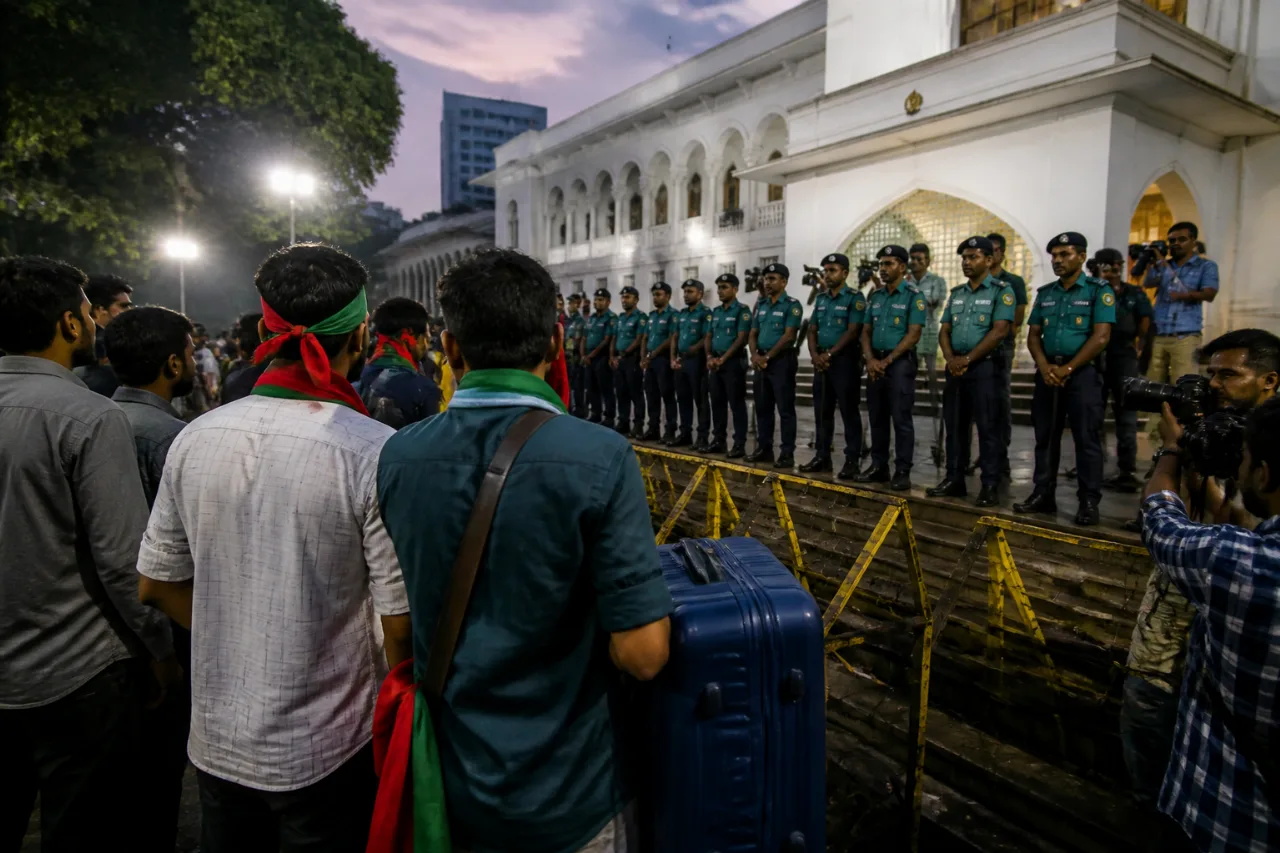
A high-profile surrender could provoke mass demonstrations from her supporters and opponents alike, complicating efforts to restore calm. It also raises questions about legal and security arrangements: whether courts would carry out existing sentences, whether arrests on return would be made, and how authorities would manage any unrest.
For neighboring India, which granted Hasina refuge and has faced repeated extradition requests from Dhaka, the announcement adds a diplomatic layer to an already strained relationship. How New Delhi reacts — whether by cooperating with a potential transfer, facilitating a safe return, or remaining publicly neutral — could shape bilateral ties going forward.
As Bangladesh prepares for the prospect of Hasina’s return, the coming months will be watched closely in Dhaka, New Delhi and capitals across the region — and by the millions of Bangladeshis whose lives and livelihoods are tied to the political stability of the country.