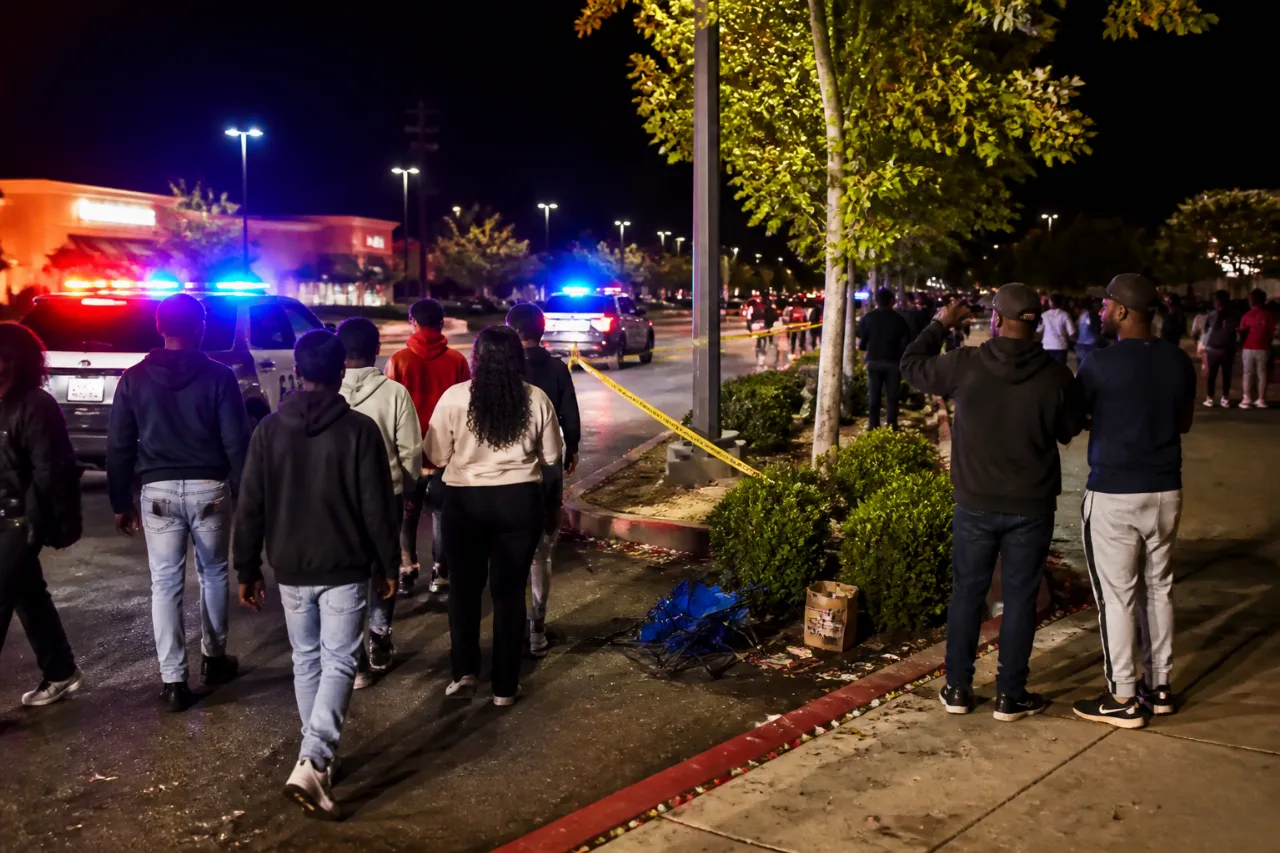
Raleigh city leaders are weighing a proposal for a citywide teen curfew after a July 4 gathering in the Brier Creek area erupted into fighting and gunfire, officials and teens said. Police described scenes of disorder that drew sharp criticism from Police Chief Rico Boyce, who called the behavior "unruly, undisciplined, and unsupervised juveniles."
What happened and why leaders are responding
Authorities say the fireworks gathering shifted abruptly when fighting and gunfire broke out, turning what many expected to be a celebration into chaos. City officials have cited the episode as the impetus for considering restrictions aimed at reducing unsupervised large teen gatherings.
"It just turned into chaos because of the fighting and the shooting ... people just not getting along all together and all," said Joshua Holden, a recent high school graduate who attended the July 4 event.
Youth voices push back
Several teens who were at the gathering or who mentor young people told reporters a blanket curfew would unfairly punish many who were not involved in violence. Joshua Holden and fellow student Coreion Levy urged officials to target those directly responsible instead of imposing a broad restriction.
- Holden said teens who did not take part are being treated as if they were responsible.
- Levy argued a curfew would be "like a bandage on the cut," offering only a superficial fix.
- Both called for increased mentorship, employment and recreational opportunities as alternatives.
Mentors and advocates highlighted a lack of supervised activities for teens during summer months. One mentor, Scottie Barnes of the youth group Katch the Kite, joined Holden in urging the city to invest in programs that give young people safe options and adult support.
Policy choices and stakes for Raleigh
City officials now face a policy choice between a regulatory response — a curfew affecting all local teens — and expanding targeted interventions such as mentoring, job programs and youth-focused events. The decision carries implications for civil liberties, law enforcement priorities and how city budgets address prevention versus enforcement.
| Option | Supporters say | Critics say |
|---|---|---|
| Citywide curfew | May reduce unsupervised large gatherings quickly | Punishes many who were not involved; may not address root causes |
| Targeted programs | Addresses underlying needs — mentorship, jobs, recreation | May take time and money to implement; results not immediate |
For Wake County and for statewide observers, Raleigh's approach could serve as a model for balancing youth safety with community supports. Law enforcement and civic leaders will need to weigh short-term public safety goals against longer-term investments that advocates say reduce juvenile unrest.
As debate continues, teens who oppose a broad curfew are asking city leaders for clearer communication and more opportunities. "We just need somebody to talk to. We need somebody to uplift us," one participant said, underlining that many young people see mentorship and activity options as alternatives to punitive measures.
City council discussions are expected in the coming days as officials consider next steps and public feedback. ABC11 and local outlets continue to track developments related to crime, safety and policy responses in Raleigh.