
New Jersey drivers face a road network that a recent national analysis ranks among the country’s most damaging to vehicles. The study places the Garden State at third worst for overall road conditions, citing factors tied to vehicle damage and driver anxiety.
What this means for residents
Motorists in New Jersey are more likely to encounter potholes, rough pavement and pothole-related vehicle damage than drivers in most other states, according to the analysis. The study also found New Jersey among the states where drivers’ worries about road damage match measurable conditions.
That alignment between perception and data suggests many residents who budget for tire replacements and suspension repairs because of local roads are responding to a real, documented problem.
How New Jersey compares nationally
The analysis ranked states using federal roadway and climate datasets as well as indicators tied to vehicle damage and driver concern. New Jersey was listed behind Rhode Island and Massachusetts among the states with the worst roads. On the other end of the list, the study identified states such as Florida, Nevada and Georgia among those with the friendliest road conditions.
- New Jersey: No. 3 on worst-roads list
- Primary driver concerns: tire and suspension damage
- Study finds residents’ concerns align with measured road conditions in New Jersey
State-level rankings (selected)
| Worst roads (top 10) | Best roads (top 10) |
|---|---|
| Rhode Island | Florida |
| Massachusetts | Nevada |
| New Jersey | Georgia |
| Colorado | Alabama |
| Connecticut | Oregon |
Context and local impact
New Jersey’s road quality affects commuting costs, vehicle maintenance budgets and safety on state and local streets. Rough pavement and pothole-related wear can accelerate the need for new tires, wheel alignments and suspension repairs. The study highlights a broader regional pattern: several densely populated Northeast states appear near the top of the worst-roads list.
For motorists, that can mean higher out-of-pocket expenses and, in some cases, increased risk of collisions caused by drivers swerving or braking suddenly to avoid pavement damage.
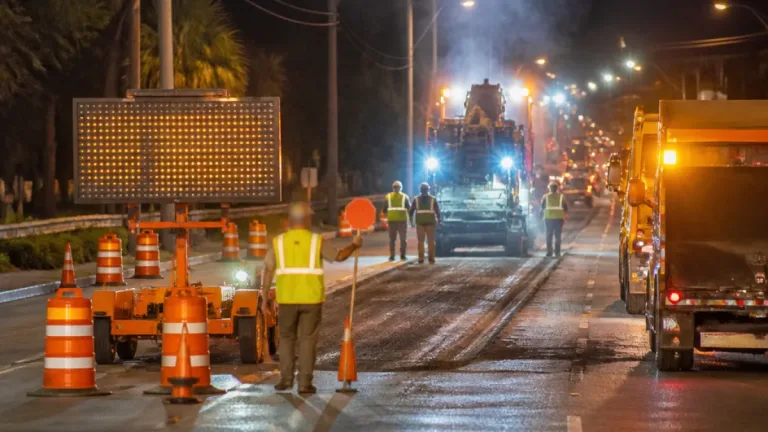
State and local transportation agencies typically address pavement conditions through resurfacing projects, targeted repairs and longer-term capital plans. Funding priorities, weather patterns and traffic intensity all influence how quickly problematic sections of roadway are fixed.
Until repairs are completed, residents can reduce risk by monitoring tire pressure, inspecting tires regularly for damage, avoiding sudden maneuvers when hitting damaged pavement and reporting significant potholes to municipal or county road departments.
Local officials routinely solicit federal and state infrastructure dollars for road improvements; public pressure and documented rankings such as this one can influence where investments are directed.
As New Jersey moves forward with transportation planning and maintenance, drivers will be watching for measurable improvements in pavement conditions that match the concerns raised in this study.