
Wildfire smoke drifting into the Mid-Atlantic has prompted air quality alerts across New Jersey, with officials urging residents to limit time outdoors and take steps to reduce exposure to fine particulate matter.
What changed for residents
State and local health authorities joined meteorologists in warning that smoke trapped near the ground by a persistent high-pressure system has reduced air quality to unhealthy levels in parts of the region. The National Weather Service in Detroit noted that the same high pressure is keeping smoke low, increasing the risk of inhaling harmful particulates.
Philadelphia officials also announced public-safety measures tied to the smoke event — including suspension of trash collection for Friday — and urged people to stay indoors when possible. The Philadelphia Health Commissioner, Dr. Palak Raval-Nelson, told residents to avoid outdoor activity unless necessary.
"I'm encouraging all Philadelphians to take action to protect themselves during this air quality emergency," said Philadelphia Health Commissioner Dr. Palak Raval-Nelson.
Why this is happening
The smoke originates primarily from large wildfires in Canada with some additional smoke from northern Minnesota. Forecasts from AccuWeather and local meteorologists warned the smoke would persist overnight and into Friday, reducing visibility and maintaining unhealthy air for many communities.
Health guidance and practical steps
- Avoid outdoor activities when possible; keep windows and doors closed.
- If you must be outside, wear a properly fitted N95 or KN95 mask.
- Use air conditioning with a clean filter; consider portable HEPA air cleaners for indoor spaces.
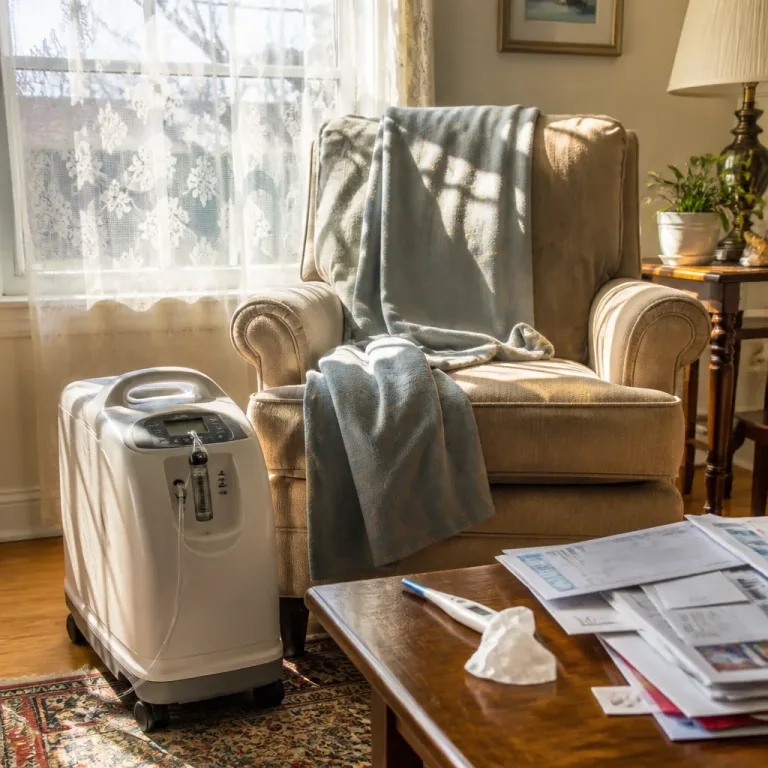
- People with respiratory or heart conditions, older adults and children should be especially cautious.
Local governments may announce additional service adjustments or closures depending on evolving air-quality conditions. Residents should monitor updates from municipal health departments and the National Weather Service for the latest advisories.
| Source of smoke | Primary effect |
|---|---|
| Wildfires in Canada (and northern Minnesota) | Reduced air quality, elevated fine particulate levels |
AccuWeather issued alerts indicating that the smoke could intensify overnight and that the heat wave continuing in the region may compound health risks. Officials stress limiting exertion outdoors to minimize inhalation of fine particles that can aggravate lungs and hearts.
News Block will continue monitoring local advisories and will publish updates as agencies release new guidance or implement further public-safety measures.