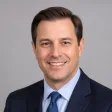
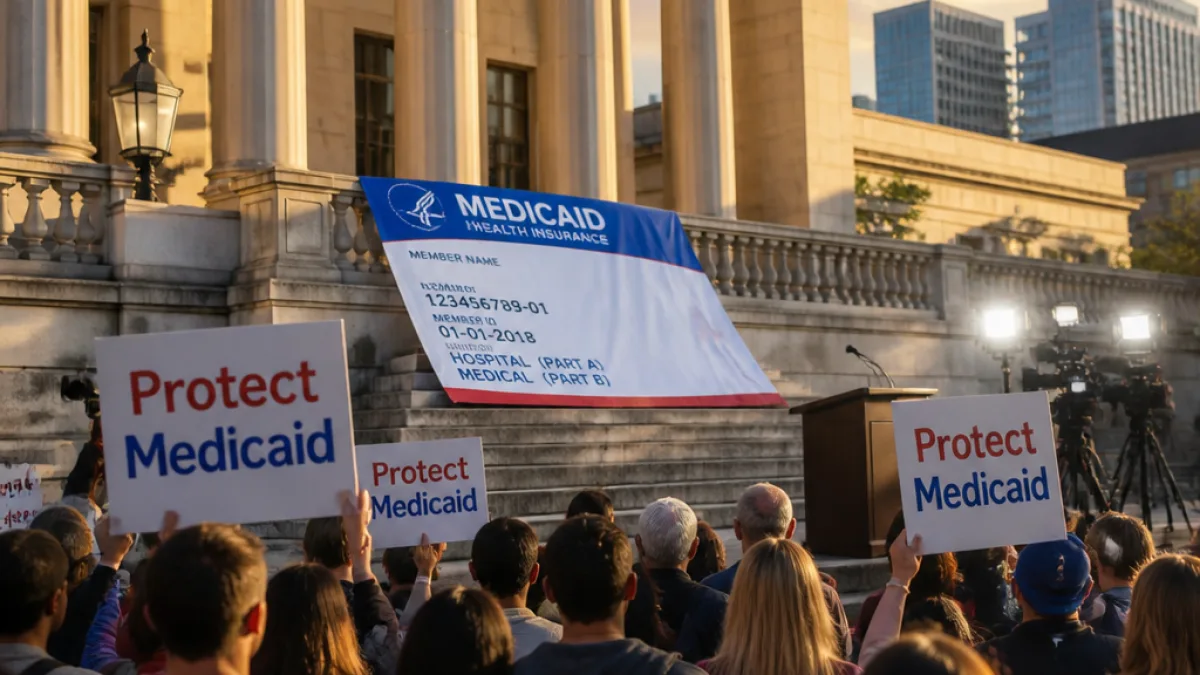
In two recent broadcast appearances, Ohio Auditor and Republican attorney general candidate Keith Faber made remarks that critics say sounded like support for ending at least portions of the state’s Medicaid program, a move that would have major consequences for millions of Ohioans and state finances.
What Faber said and the campaign response
Faber’s campaign did not directly clarify the intent behind his comments when asked by reporters. A campaign spokesperson reiterated only that Faber supports the lawful use of Medicaid dollars and opposes unlawful uses.
“We’re spending tens of billions of dollars a year on Medicaid every single year in Ohio, so a very small percentage loss is a huge dollar amount,” Faber said during one appearance.
Program scope and political context
Medicaid in Ohio is a joint federal-state program created in 1965 that provides health coverage for low-income residents. It serves more than 3 million Ohioans and costs the state and federal government roughly $40 billion a year, according to publicly available estimates.
The remarks come amid a broader national conversation about the future of federal entitlement programs. Earlier this year, former President Donald Trump said it was “not possible” for the federal government to fund Medicaid, Medicare and childcare together while seeking substantial additional military spending. That debate followed legislative moves last year that included deep tax cuts and long-term proposed reductions in Medicaid funding.
Allegations of provider fraud and partisan framing
Republican officials and some federal prosecutors have recently emphasized concerns about provider fraud in Medicaid, calling it a serious problem. Acting U.S. Attorney General Todd Blanche described provider fraud as a “crisis” in early June. But independent researchers note limits to measuring such fraud. The nonpartisan KFF health policy organization has said there is no reliable way to quantify total provider fraud in Medicaid.
Democratic attorney general nominee John Kulewicz criticized the focus on provider fraud, arguing Republicans are using those claims to build support for dismantling or scaling back Medicaid. Kulewicz said in an interview that the emphasis on fraud is intended to lay political groundwork to reduce the program.
“I think they want to get rid of Medicaid,” Kulewicz said.
Stakes for Ohioans and the attorney general race
Any change to Medicaid’s structure or funding would reshape health care access for low-income Ohioans and likely affect hospitals, nursing homes and behavioral health providers that rely on Medicaid payments. For an attorney general candidate, public statements about the program are consequential: the office does not set health policy, but it can influence litigation, enforcement priorities and how state rules are defended in court.
- Coverage: Medicaid covers more than 3 million Ohio residents.
- Cost: The program represents about $40 billion in annual spending in Ohio.
- Political implications: Comments about cutting the program could reshape voter perceptions ahead of the attorney general contest.
| Item | Detail |
|---|---|
| Program | Ohio Medicaid |
| Estimated annual cost | $40 billion |
| People covered | More than 3 million |
Faber’s exact position remains unclear because his campaign declined to expand on the remarks. With Medicaid at the center of heated national debates over entitlement spending and state budgets, his comments are likely to receive additional scrutiny from voters, opponents and health care providers as the attorney general campaign progresses.
As candidates sharpen their messages, Ohioans who rely on Medicaid and the organizations that serve them will be watching to see whether the rhetoric signals policy proposals or simply election-year positioning.