Advocates urge short-term steps as Richmond completes rezoning overhaul
As Richmond continues its multi-year rezoning effort known as the Code Refresh, a coalition of local and state housing advocates on Monday laid out measures they say city leaders can take now to shield low-income residents from displacement. The group, organized as the Homes For All Our Neighbors Coalition, presented a mix of immediate and longer-term proposals that align with what they called the "four Ps" of displacement mitigation: Protect, Plan, Produce and Preserve.
The coalition argued Richmond should not wait until the Code Refresh is finished to begin protecting existing residents. Their recommendations focus on directing resources to neighborhoods flagged as high-risk for displacement, expanding tenant protections and making it easier to find and track subsidized housing citywide.
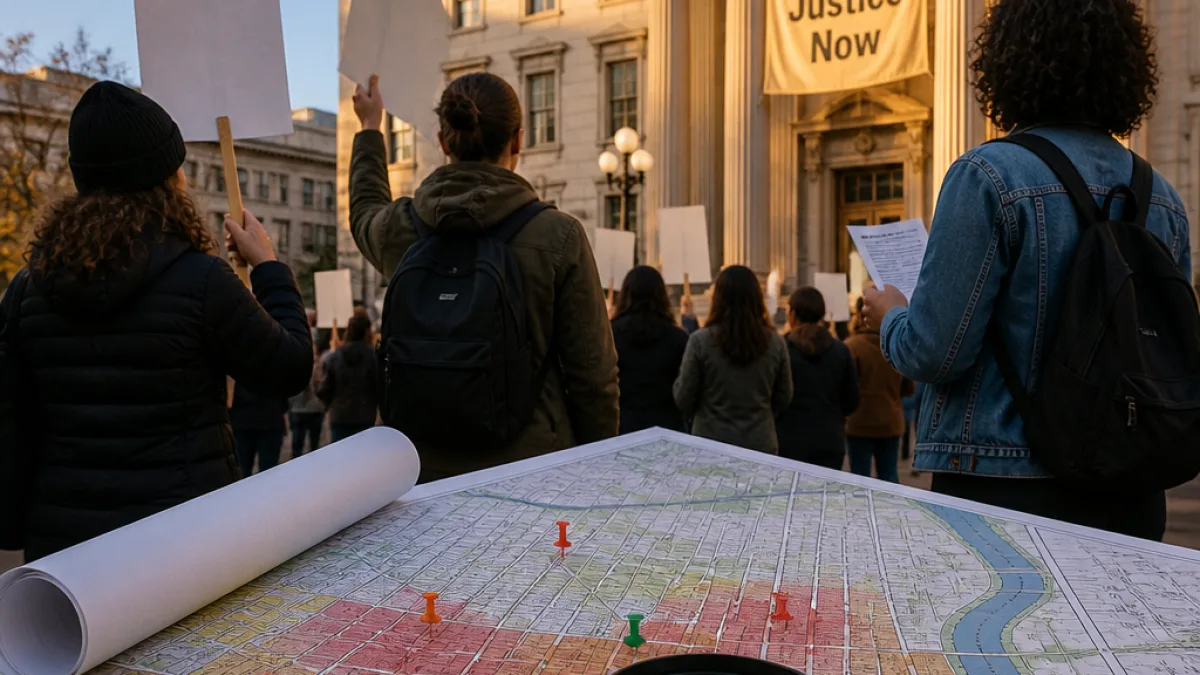
- Use data to identify neighborhoods with the greatest displacement risk and target supports there.
- Provide wraparound services such as home repair and tax relief for older homeowners, and eviction diversion with counsel for tenants.
- Create a public database showing subsidized housing locations, application information and expiration dates for rent controls.
- Increase neighborhood input into development to ensure new projects serve existing residents' needs.
Speakers at the briefing emphasized that some groundwork is already in place. Representatives noted the availability of analyses like PlanRVA’s Market Value Analysis and a recently published report cataloging local resources. They urged the city to build on those tools to take focused action in the short term rather than leaving communities unprotected through the rezoning process.
"We can build a Richmond that grows without abandoning the people and without pushing folks out of the city," said Marissa Clark, housing organizer with New Virginia Majority. "But it requires the courage to build more housing, paired with the immediate resolve to protect the residents who are already here."
Legal advocates framed displacement responses as more than housing production. Gustavo Espinoza of the Legal Aid Justice Center described a model in which services are connected to one another — for example, pairing eviction diversion assistance with legal counsel, or linking tax relief programs and home repairs for vulnerable homeowners.
The coalition also pushed for a publicly accessible tracking system for subsidized units, highlighting that many residents and neighborhood leaders lack clear information about when affordability controls lapse or where to apply for help. Such transparency, they argued, would allow residents and officials to anticipate and respond to expiring subsidies and potential rent increases.
| Priority | Example Action |
|---|---|
| Protect | Eviction diversion + tenant counsel |
| Plan | Targeted outreach in high-risk neighborhoods |
| Produce | Support for building more affordable units |
| Preserve | Database tracking subsidized housing and expirations |
For Richmond residents, the coalition's recommendations signal a two-track approach: continue work on long-range zoning reforms while deploying immediate safety nets to prevent displacement now. City leaders who must reconcile growth goals with housing stability face a growing chorus of local groups urging that the pace of construction not come at the expense of those already living in the neighborhoods most at risk.
As the Code Refresh proceeds, the debate over how to balance new development with protections for long-time residents is likely to intensify. Advocates say the measures they propose would not replace broader reform but would reduce harm while the city completes its rezoning work.
Local officials have not yet publicly committed to implementing the coalition’s full slate of short-term proposals. The groups called on the mayor and city council to adopt specific steps before the Code Refresh is finalized and to ensure residents in targeted neighborhoods have a seat at the table for future development decisions.
The recommendations from the Homes For All Our Neighbors Coalition add to a statewide conversation about how Virginia cities manage growth without displacing low-income households — a debate that will shape Richmond’s neighborhoods as the city plans for the next wave of housing demand.