
Washington moved on Thursday to sharply tighten the allowable duration of several nonimmigrant visas, a change that will shorten the time international students, cultural exchange participants and foreign journalists can remain in the United States. The rule drew a swift rebuke from Beijing, which called the policy "discriminatory" and said it reserves the right to take reciprocal measures.
What the rule does
The Department of Homeland Security issued a final regulation that sets fixed maximum periods for three visa categories:
- F visas (students): limited to no more than four years.
- J visas (cultural exchange): likewise capped at four years.
- I visas (journalists): generally limited to 240 days, but for Chinese nationals reduced to 90 days.
Under current practice, those visas are typically valid for the duration of a program or employment. The new rule also tightens post-completion departure time for students from 60 days to 30 days, restricts graduate students from changing educational objectives without authorization, and limits transfers between schools unless approved. Visa holders may apply for extensions under the regulation. The rule becomes effective 60 days after publication in the Federal Register, subject to congressional review.
Beijing objects, threatens reciprocity
At a press briefing in Beijing, foreign ministry spokesperson Lin Jian condemned the U.S. action and urged Washington to rescind the measure, saying it "does not serve anyone's interest." China said it reserves the right to respond with countermeasures.
"China rejects the U.S. decisions, which it said do not serve anyone’s interest,"
Domestic context and implications
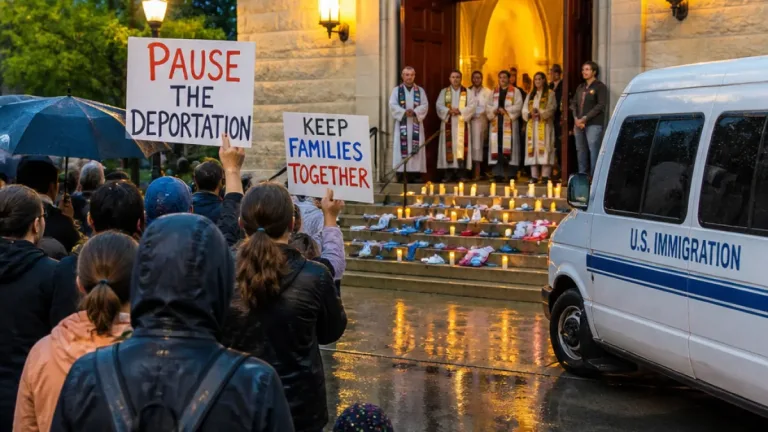
The change comes amid broader shifts in U.S. immigration policy under President Donald Trump's administration, which began a suite of stricter measures after he took office in January 2025. The administration has already increased scrutiny of legal immigration, including actions revoking some student visas and green cards and reducing protections for migrants.
Advocates and some former officials said the rule could create new hurdles for international students, exchange workers and foreign journalists who contribute to academic programs, cultural exchanges and reporting in the U.S. A former Department of Homeland Security official, Doug Rand, argued the move would add red tape rather than streamline processes, saying most Americans value welcoming international students.
Quick reference
| Visa category | Current typical validity | New maximum under rule |
|---|---|---|
| F (students) | Program duration | Up to 4 years |
| J (exchange) | Program duration | Up to 4 years |
| I (journalists) | Often years | 240 days (or 90 days for Chinese nationals) |
As the rule enters the regulatory review window, Congress will have an opportunity to weigh in. Meanwhile, universities, media organizations and exchange sponsors are likely to reassess program planning and advising for foreign participants as the policy moves toward implementation.