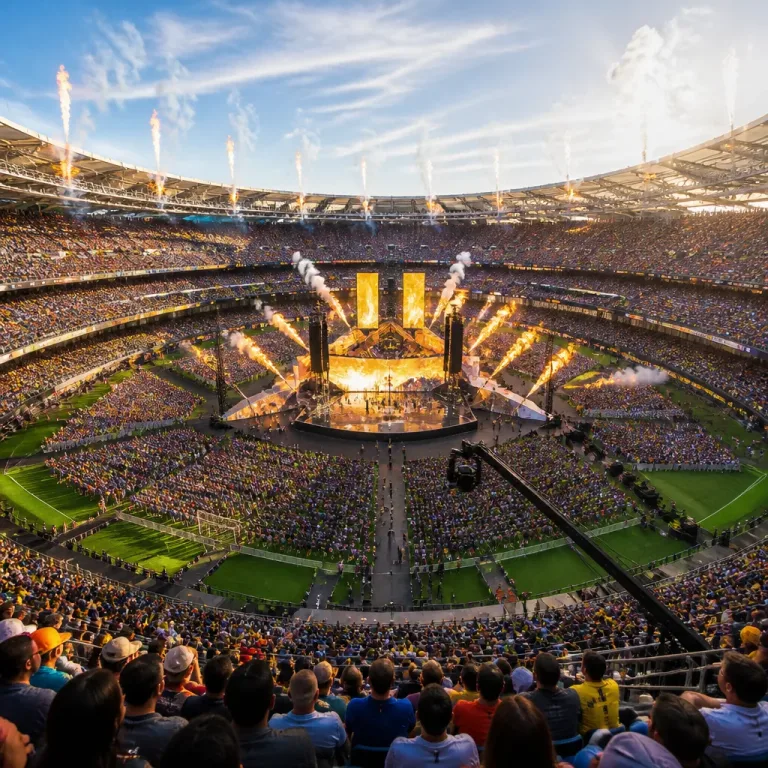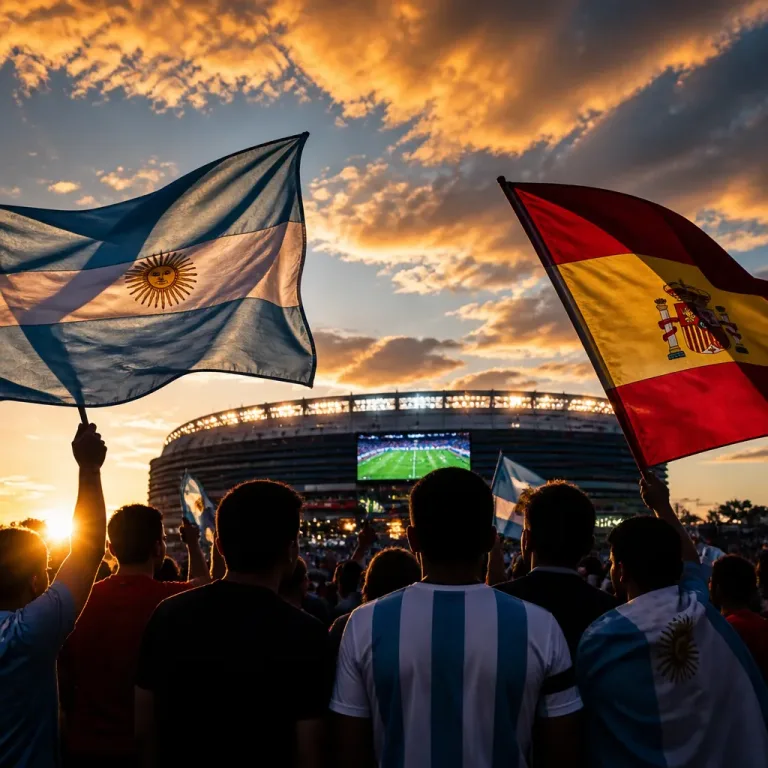

The U.S. men’s national team leaves the 2026 World Cup with a mixture of milestones and unfinished business: for the first time a U.S. side won three matches at a single World Cup and clinched top spot in its group after two games, yet the tournament ended in a last-16 defeat that mirrored the prior cycle.
What happened in 2026
The tournament brought tangible progress on the field — decisive victories that had eluded previous U.S. teams — and a renewed connection between players and supporters. Still, elimination in the round of 16 delivered an abrupt halt and a reminder that the global stage is unforgiving.
"just the beginning"
Some players framed the result on social media as "just the beginning," a phrase echoed in their Instagram posts. That characterization, the team’s internal framing suggests, is optimistic but incomplete: the current iteration of the squad traces its origins earlier, not to this year’s event but to post-2018 rebuilding and the foundations set during the 2022 campaign.
Why the outcome matters
The World Cup’s four-year cycle gives teams time to regroup, but it also magnifies the cost of stalled progress. For U.S. soccer, the 2026 experience is both evidence of tangible gains and a measure of limits that remain. The side improved in concrete ways — winning more matches inside a single tournament than ever before — yet it faces the same knockout-stage barrier that ended its 2022 run.
- Historic wins: First U.S. team to win three World Cup matches in one tournament.
- Group performance: Clinched top spot after two group games, a sign of consistency in the early phase.
- Knockout ceiling: Eliminated in the round of 16, repeating the tournament exit point from 2022.
Looking to 2030
The next World Cup is four years away, and that span will determine whether the current group matures into a deeper contender or whether the program needs structural changes. The team’s pathway has, in part, been shaped by a failure to qualify for the 2018 tournament and by lessons from Qatar in 2022 — both cited as part of the recent evolution.
| Tournament | Outcome |
|---|---|
| 2018 | Did not qualify |
| 2022 | Eliminated in last 16 |
| 2026 | Three wins in tournament; eliminated in last 16 |
For Americans who follow the team, the central takeaway is pragmatic: there are reasons for cautious optimism — historic match wins and renewed fan connection — but the program must convert incremental gains into deeper tournament runs. The next cycle will test whether the progress shown on the field can be sustained and translated into knockout-stage resilience.