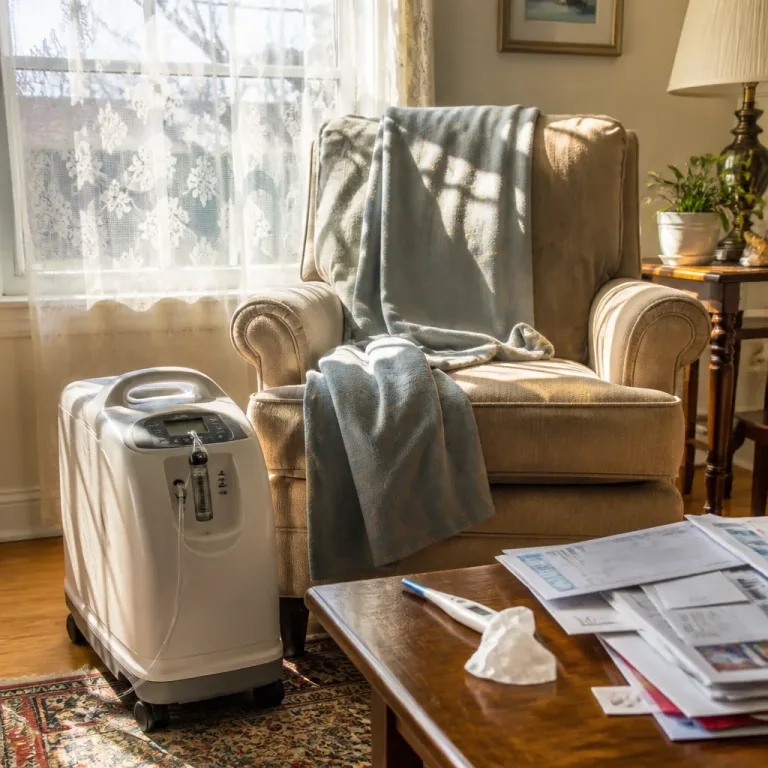

Confirmed cases of cyclosporiasis have been reported in Nebraska and Iowa, prompting health professionals to remind residents how the parasite spreads, when to seek medical care and what steps can reduce risk.
What residents should know now
The parasite causes gastrointestinal symptoms that often resemble routine viral illnesses: fever, diarrhea and nausea. Because symptoms can fluctuate, physicians say professional testing is usually required to make a definitive diagnosis.
David Quimbly, an infectious disease specialist with CHI Health, described the illness as unpredictable in its course.
"Yes, you can have some pretty bad diarrhea...but it can wax and wane a little bit. Like you can get some initial stuff, it gets better. Then two or three days it gets worse again," Quimbly said.
Quimbly told reporters that most infections are not severe and that most people will recover without medical interventions. He advised that anyone worried they might be infected should contact their primary care provider rather than immediately going to an emergency department, unless they develop alarming symptoms such as trouble walking or signs of severe dehydration.
How the parasite spreads and how to reduce risk
Health officials say the parasite is most commonly transmitted through contaminated food—especially produce—and water. Properly cooking produce will reduce the chance of infection. Routine handwashing is recommended, though Quimbly noted the illness does not usually pass directly between people within the same household.
"If somebody else in your household has this...you're not necessarily going to get it. Handwashing is always a good principle and that kind of thing but this tends to not go person to person," Quimbly said.
Local residents interviewed in Omaha said they are taking precautions. Kim Burke said she is being careful about what the family eats and washing items like lettuce. Yenic Heyward emphasized regular hand hygiene and keeping hand sanitizer handy.
- Contact your primary care provider if you have persistent diarrhea, fever or nausea; avoid the ER unless symptoms are severe.
- Wash produce thoroughly and consider cooking when possible to reduce risk.
- Practice regular hand hygiene, especially after using the restroom and before preparing food.
| Common Symptoms | Practical Advice |
|---|---|
| Fever, diarrhea, nausea; symptoms may wax and wane | Contact primary care for testing; seek emergency care only for severe dehydration or neurological symptoms |
| Often food- or water-borne | Wash or cook produce; maintain hand hygiene; avoid assuming household spread |
Health officials have not released additional details on the number of confirmed cases or any specific food source linked to the illnesses. Residents with concerns should follow guidance from their health care provider and local public-health departments for updates.
— Nebraska correspondent Peter Novak