New York health authorities are investigating a sudden and substantial rise in cyclosporiasis cases across the state and city this summer, with officials reporting more than 500 infections to date.
Numbers and scope
As of early July, the New York State Department of Health and the New York City Health Department confirmed a marked increase in Cyclospora cases compared with expected seasonal levels. Statewide, 129 cases have been reported outside New York City as of July 8, 2026, exceeding the typical early-July baseline of 20–55 cases. In New York City, health officials recorded 381 cases in 2026 so far — roughly a threefold increase from the same period last year.
- New York State (outside NYC): 129 cases as of 7/8/2026
- New York City: 381 cases reported in 2026 to date
- Total in New York: more than 500 cases being investigated
National context
These local increases come amid a broader rise in cyclosporiasis reported nationally. The Centers for Disease Control and Prevention reported 843 cases across 31 states as of July 9, 2026, though some state reports suggest higher counts. For example, Michigan has reported in excess of 2,500 cases, illustrating a lag between local surveillance and national tallies.
| Jurisdiction | Reported cases (recent) |
|---|---|
| New York City (2026 to date) | 381 |
| New York State (outside NYC) as of 7/8/2026 | 129 |
| CDC (as of 7/9/2026) | 843 in 31 states |
| Michigan (recent report) | more than 2,500 |
How Cyclospora spreads and what that means locally
"Cyclospora is a unicellular parasite that causes an intestinal illness called cyclosporiasis."Health officials emphasize that Cyclospora is spread through ingestion of contaminated food or water rather than direct person-to-person contact. Because the parasite's oocysts must mature in the environment — a process that typically takes about 1–2 weeks under favorable conditions — contamination of fresh produce and water supplies has been implicated in past U.S. outbreaks.
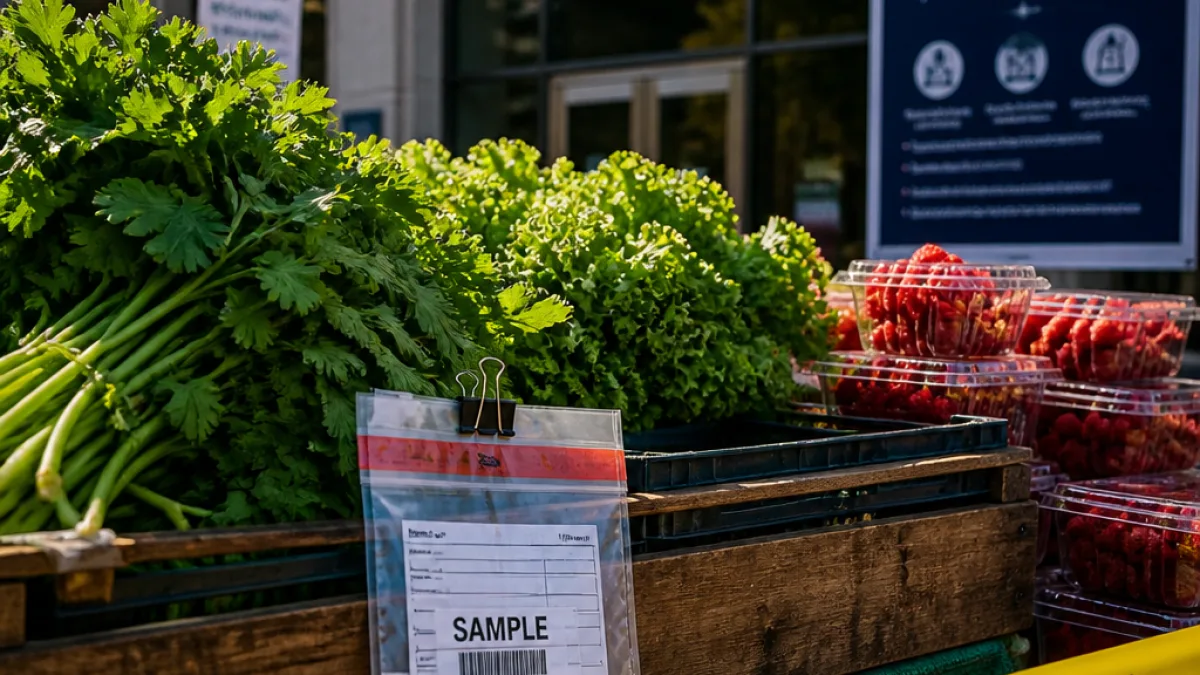
Investigators in New York are focusing on potential links to imported fresh produce, a pattern consistent with earlier outbreaks involving items such as basil, cilantro, lettuce mixes and berries. Local public health teams are working to trace common exposures among reported cases and notify retailers and distributors when a likely source is identified.
Guidance for New Yorkers
Health departments recommend testing and treatment for people with prolonged watery diarrhea, especially if symptoms follow recent travel or consumption of fresh produce that could be imported. Because transmission is food- or water-borne, public health messaging in New York stresses safe food handling, careful selection of produce, and seeking medical care when symptoms persist.
Officials continue to update counts and investigation findings; residents are advised to consult the New York State Department of Health and the New York City Health Department for the latest guidance and alerts about implicated products or facilities.