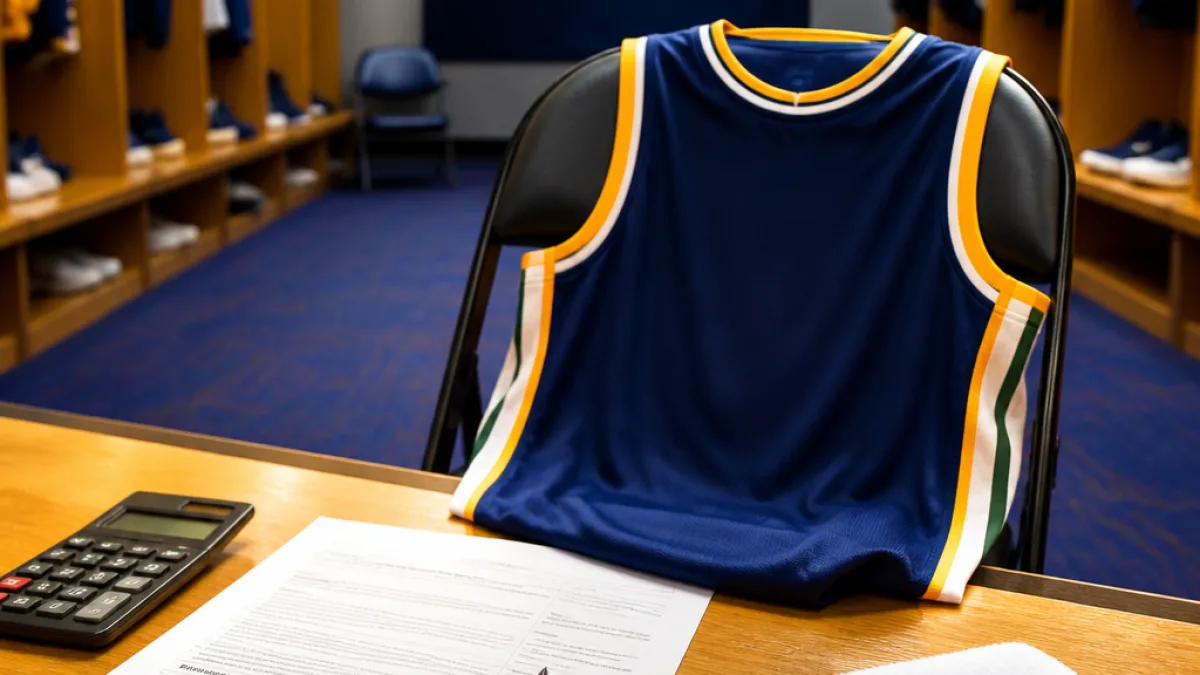
The biggest question for Utah basketball fans this offseason is not who the Jazz drafted or which veterans they added, but whether the team will lock up guard Keyonte George with a long-term extension.
Residents who follow the Jazz should expect stability in much of the roster: the club used its high draft position to take Darryn Peterson at No. 2 and concluded a high-profile sign-and-trade to move center Walker Kessler to the Los Angeles Lakers. But the organization still must decide if it will commit to George — coming off a breakout season — with a second contract that could be worth a very large sum.
What’s already done this offseason
The Jazz have checked several major boxes that reshape the team for the 2026-27 season:
- Drafted Darryn Peterson with the No. 2 pick.
- Completed a sign-and-trade sending Walker Kessler to the Lakers.
- Added several role players in free agency to address depth needs.
| Move | Impact |
|---|---|
| Draft — Darryn Peterson (No. 2) | Infuses young talent into backcourt/frontcourt mix |
| Sign-and-trade — Walker Kessler | Resolves contract impasse; frees cap and roster flexibility |
| Free agent additions | Adds experience and depth for next season |
Why the George decision matters
George enters the final guaranteed year of his rookie deal having emerged as a core on-court piece and a leader within a young roster. The Jazz can choose to extend him now — securing him for the long term — or wait for another season of development before committing payroll.
One reason the decision is complicated: after his breakout campaign, George will likely seek to maximize his second contract value. Industry estimates suggest a rookie-scale max extension could reach more than $250 million over five years. The Jazz must balance paying top-dollar to retain a rising star against preserving financial flexibility to build around a young core.
The team faces two general paths:
- Offer an extension this offseason to guarantee George’s presence while his market value is high.
- Delay an extension to observe further growth and limit long-term financial commitment.
How Utah’s front office resolves that choice will shape the franchise’s roster-building options and salary-cap outlook for several years. For fans, the outcome will indicate whether the Jazz are locking in the current core or keeping flexibility to pursue other moves.
Officials have provided no public timeline for a decision. The team’s next steps will be watched closely by local supporters and national observers alike as the Jazz prepare for training camp and the 2026-27 season.
Miles Christensen is the Utah correspondent for News Block.