New York City Mayor Zohran Mamdani has taken a series of high-profile steps that signal a sharp break from several precedents set by his predecessors, actions that critics say have alienated key constituencies and intensified internal tensions within the Democratic Party.
Rapid departures from precedent
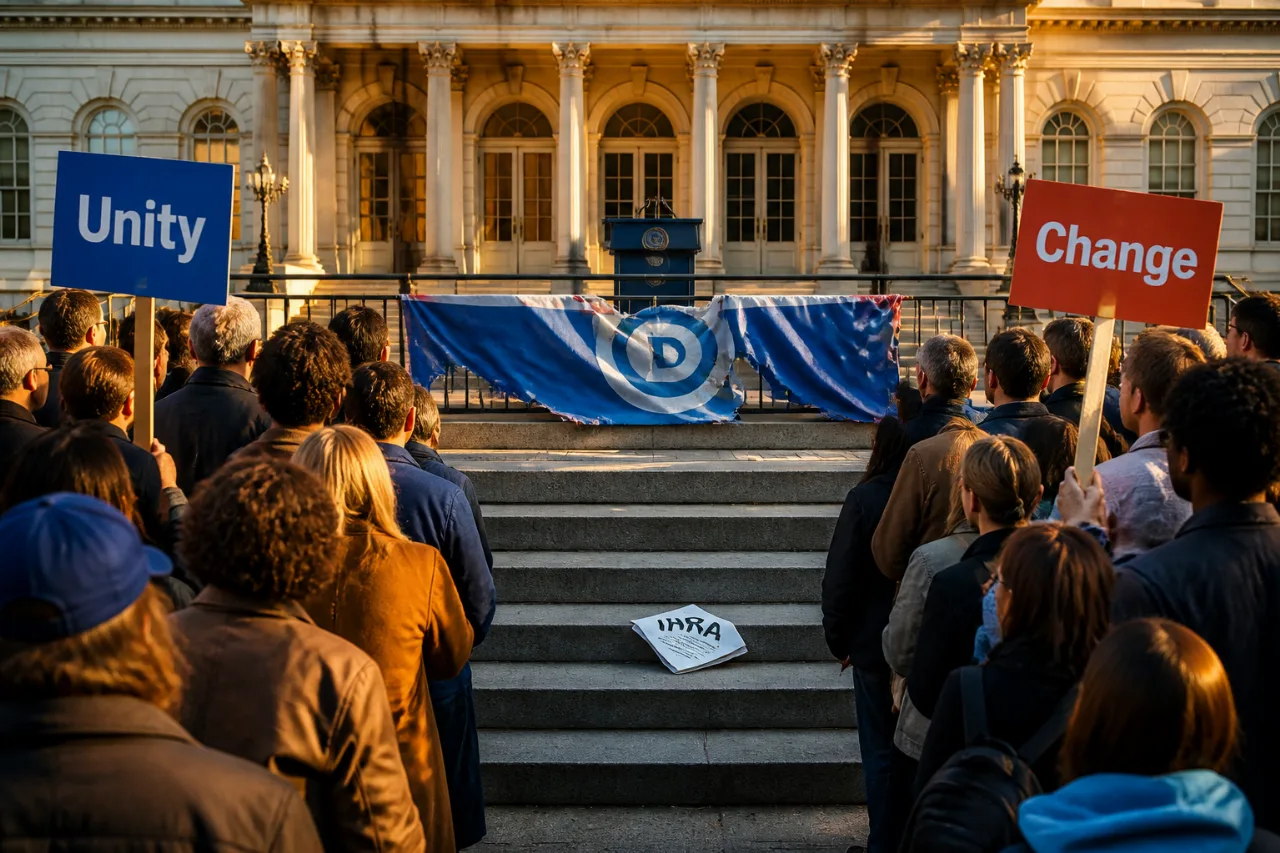
Since taking office, the mayor — who is the city’s first Muslim and first South Asian mayor — has enacted changes that some observers describe as intentionally provocative rather than conciliatory. Early in his term, his administration announced it would abandon the International Holocaust Remembrance Alliance’s working definition of antisemitism, a framework adopted by the previous mayor. That choice was widely understood as a deliberate and symbolic reversal.
He also became the first New York mayor in more than six decades to skip the Israel Day parade, a move that underscored his public distancing from longstanding municipal rituals and alliances. In other public statements, the mayor has sharply criticized the government of Israel, using the loaded term
"genocide"
Those decisions, combined with other signals of alignment with his religious and ethnic identity, have prompted alarm among some party leaders and community groups who worry the mayor’s approach risks eroding support among voters who helped elect him.
Political context and consequences
His early governance choices come amid a broader debate inside the Democratic coalition about the influence of its progressive and democratic socialist wings. Advocates of a more left-leaning agenda have gained traction in recent primaries in several states, but critics argue that assertive ideological displays can alienate centrist and traditionally reliable constituencies.
- Symbolic reversals: Ditching the IHRA definition marked a visible break from prior policy.
- Ceremonial snub: Missing the Israel Day parade signaled a new posture on international matters important to parts of the electorate.
- Rhetorical escalation: Labeling Israeli actions as "genocide" intensified controversy and drew national attention.
Supporters of the mayor may view these actions as faithful to his base and consistent with a generational shift in urban politics. Opponents argue they amount to needless provocation that endangers coalitions built over decades.
| Action | Implication |
|---|---|
| Abandoned IHRA definition | Raised concerns among Jewish groups and some Democrats |
| Skipped Israel Day parade | Seen as historic break with tradition |
| Publicly described Israel’s conduct as "genocide" | Escalated national debate over U.S. local leaders’ role in foreign policy discourse |
How the mayor’s choices play out politically may depend on whether his administration broadens its appeal beyond its initial coalition or doubles down on a confrontational posture. For national Democratic leaders, the balancing act is acute: they must weigh the value of energizing progressive activists against the risk of losing voters in diverse urban communities whose support proved decisive in recent elections.
Whatever the outcome, Mamdani’s first weeks in office have already become a focal point for discussions about party unity, the limits of political symbolism, and the relationship between municipal leadership and international controversies.