Milwaukee residents should expect the city to pursue repairs and upgrades to I-794 rather than moving forward with a plan to remove the elevated highway and replace it with a street-level boulevard, Mayor Cavalier Johnson said Wednesday.
The mayor told reporters he would not recommend tearing down the 52-year-old freeway to the Wisconsin Department of Transportation after reviewing the results of several traffic studies. Instead, he plans to propose making improvements to the existing structure.
What changes for people who live, work and visit downtown
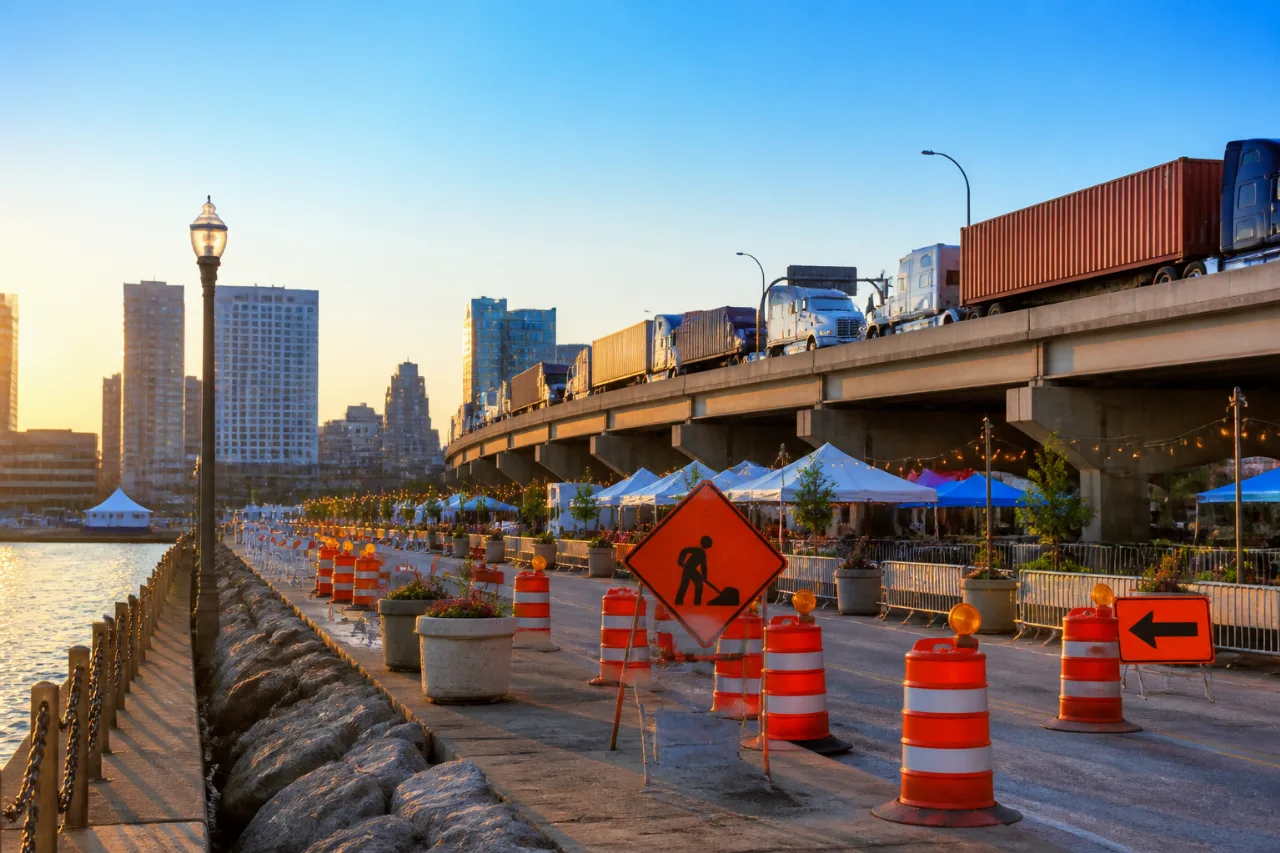
Johnson said his decision reflects concerns that removing the elevated roadway could create new congestion problems, particularly during Milwaukee's busy summer months and festival season. He warned that traffic mixing with lift-bridge operations could cause significant delays.
"If 794 traffic is in the mix, lift bridges could cause gridlock. You add on the activity we see during the festival season, in the area east of the river, it could be completely impassable at times," the mayor said.
The mayor has previously said that if the highway were being built today, an above-ground freeway would not be his first choice. But he said changing long-established traffic patterns could introduce greater problems than benefits.
- Short term: Expect proposals focused on structural repairs, traffic management and targeted improvements rather than removal.
- Summer/festival traffic: City leaders signal priority on preventing gridlock during peak activity east of the river.
- Freight and port access: Officials expressed concern about truck movements to and from the Port of Milwaukee if a boulevard replaced the freeway.
Community groups that have pushed for a teardown, including Rethink 794, reacted with disappointment. For nearly five years, advocates have recommended removing portions of the highway that run through downtown and the Historic Third Ward and replacing them with a boulevard-style, street-level alternative intended to reconnect neighborhoods and spur redevelopment.
The debate over I-794 has centered on competing priorities: the potential urban design and neighborhood benefits of removing an elevated highway versus the operational realities of traffic flow, freight access and event-related surges in vehicle volume. Johnson pointed to traffic-study findings in concluding that removal could create "significant traffic issues," particularly around lift bridges and festival corridors.
| Option | Key concern | Likely near-term outcome |
|---|---|---|
| Tear down I-794 | Festival/bridge gridlock; truck access to port | Not recommended by mayor; supporters disappointed |
| Improve existing structure | Maintains established traffic patterns; allows targeted upgrades | Mayor's recommended path; subject to DOT review |
City officials have not released a detailed list of proposed improvements or a timeline. The mayor’s announcement shifts the conversation from a transformative redesign to a strategy centered on preservation and operational reliability. That approach could expedite attention to structural needs but will leave advocates for removal pressing for longer-term planning and renewed public engagement.
Next steps will include formal recommendations to the Wisconsin Department of Transportation and further discussion among city planners, neighborhood groups and freight stakeholders. Any change to I-794’s configuration would involve coordination with state transportation authorities and extensive study of traffic, commercial vehicle routing and event impacts.
The decision marks a turning point in a multiyear local debate that balances downtown mobility, waterfront access and hopes for urban reconnection. For now, Milwaukee is preparing to invest in the highway that already runs through its heart rather than pursue its removal.