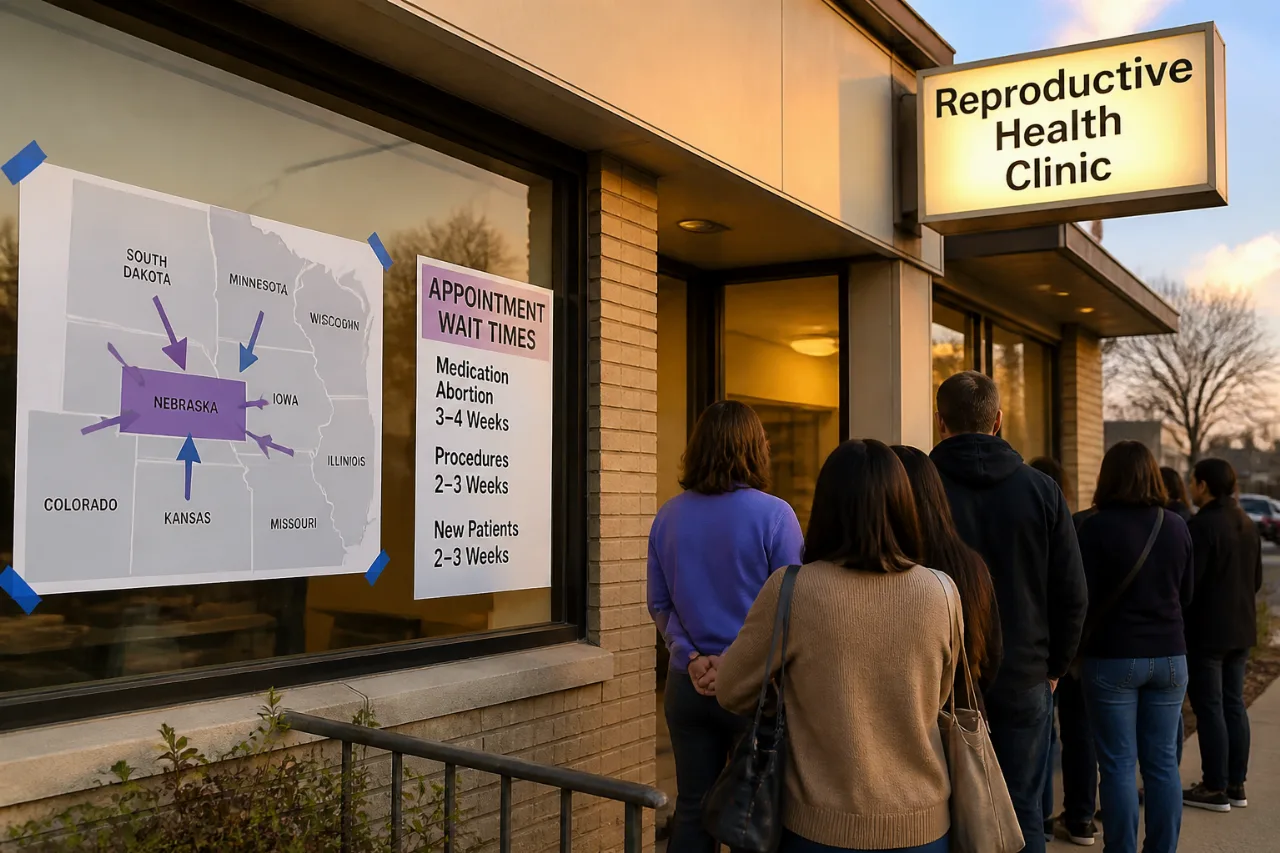
LINCOLN, Neb. — Nebraska recorded 2,698 abortions in 2025, a 7.8% increase over 2024, state health data show — a rise state officials and contemporaneous reporting attribute largely to cross‑border patients seeking care as neighboring states tightened abortion restrictions.
Numbers and where they came from
Data released by the Nebraska Department of Health and Human Services shows the state performed 197 more abortions in 2025 than the 2,501 procedures reported in 2024. The DHHS figures are the most recent annual totals available from the agency.
State and local reporting point to an influx of patients from neighboring states — particularly Iowa — as a major driver of the increase, as clinics in Nebraska have received more out‑of‑state patients following new restrictions across the region.
| Year | Abortions reported | Change from prior year |
|---|---|---|
| 2024 | 2,501 | — |
| 2025 | 2,698 | +197 (7.8%) |
What this means for Nebraskans
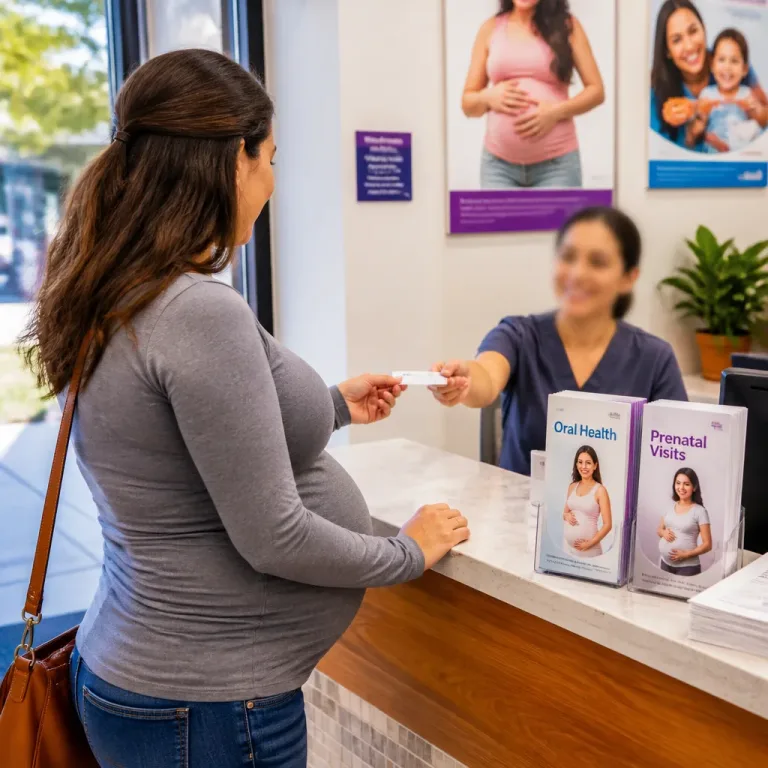
The rise affects access and demand across the state’s reproductive health network. Clinics in larger population centers, including Omaha and Lincoln, have seen increased patient loads in recent months, according to local reporting and clinic notices. That has implications for appointment wait times, staffing and services offered, public‑health planning and the distribution of medication abortions.
- DHHS provided the statewide totals for 2024 and 2025.
- The increase of 197 procedures represents a 7.8% year‑over‑year climb.
- Reporting and officials have cited cross‑state patient flows, especially from Iowa, as a significant factor.
Officials with the state Department of Health and Human Services did not provide a detailed breakdown of patients’ home states in the released totals. Local clinics and health advocates have reported larger shares of out‑of‑state patients since neighboring states enacted new restrictions.
Background and policy context
Abortion policy across the Midwest has been in flux, with several states passing new limits since 2022. Those policy shifts have redirected some patients to states with fewer restrictions, increasing demand at clinics in Nebraska. Health departments use annual reporting to track trends and inform resource planning, but the DHHS totals do not include a comprehensive public analysis of causes behind year‑to‑year changes.
For Nebraskans seeking reproductive health services, the data suggest providers and policymakers will need to monitor capacity and consider how best to ensure continuity of care. Clinic operators have said scheduling, staffing and medication supply are immediate operational concerns when patient volumes rise.
The DHHS report is a snapshot of statewide activity. Further details, such as gestational ages, reasons for procedures or a patient residency breakdown, would come from more granular reporting by the department or individual providers if released.
News Block will continue to follow updates from the Nebraska Department of Health and Human Services and reports from clinics about how rising demand is affecting service delivery across the state.
Reporting from state health data and local clinic reporting compiled for News Block.