Western Colorado is confronting an early and dangerous wildfire season after an unusually warm winter left landscapes unusually dry and water supplies strained. Parts of Colorado and neighboring Utah are described as "infernos" in recent reporting, and firefighting operations have been stretched as crews work to contain blazes that are not yet controlled.
Human activity drives most fires; communities on alert
Officials and fire experts have emphasized that the majority of wildfires are started by people. Recent coverage notes that nearly 90% of wildfires are human-caused, a figure that underlines the importance of prevention measures as residents across Colorado review evacuation routes and preparedness plans.
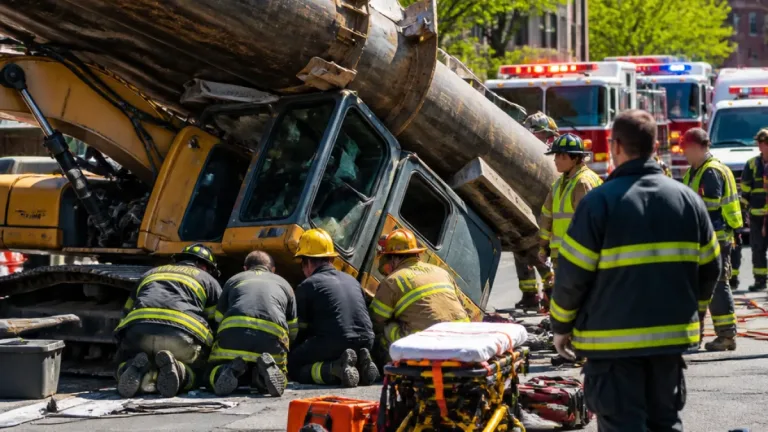
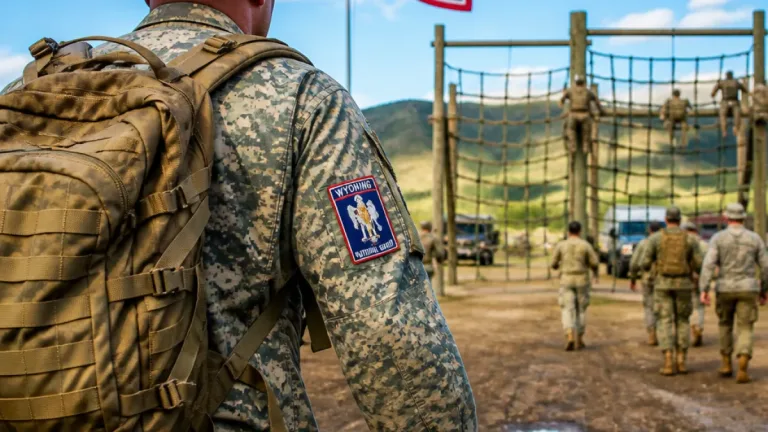
The current season has already been deadly for firefighters: reporting cites the deaths of three young firefighters in recent operations. Those losses have intensified calls for both increased resources and review of policy decisions that affect how firefighting assets are dispatched.
Private contractors vs. cooperators: a growing policy dispute
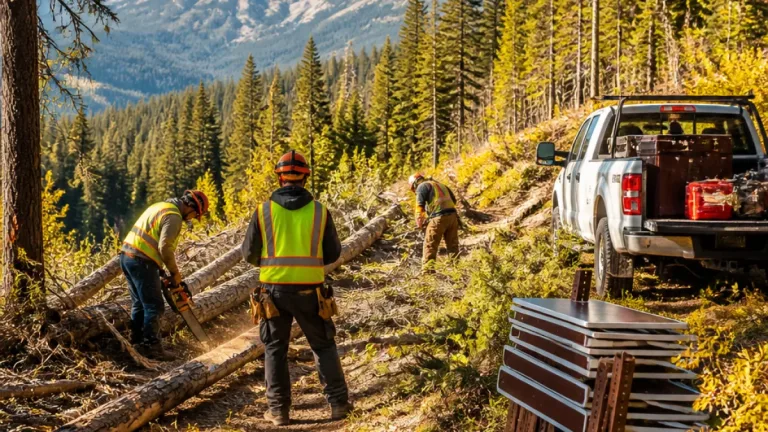
A contentious issue behind the scenes is the role of private wildland fire contractors compared with government-funded cooperators. Contractors are privately owned companies that invest in engines, equipment and seasonal crews with the expectation they will be called to fight large fires across multiple jurisdictions. Cooperators are taxpayer-funded local or state agencies that operate within their home jurisdictions and also respond to large incidents.
"Current federal dispatch and policy practices undermine the availability, financial stability, and long‑term viability of the private wildland fire contracting industry," said Derrick P. Holdstock of Western Fire Resources, LLC.
Holdstock's comments, included in recent coverage, assert that federal policies have at times prioritized cooperators over private contractors even when contractors are "more cost effective, fully compliant, and often closer." The reporting notes that private contractors supplied more than half of all engines on large wildfires during the highest two stages of activity managed by the National Interagency Fire Center.
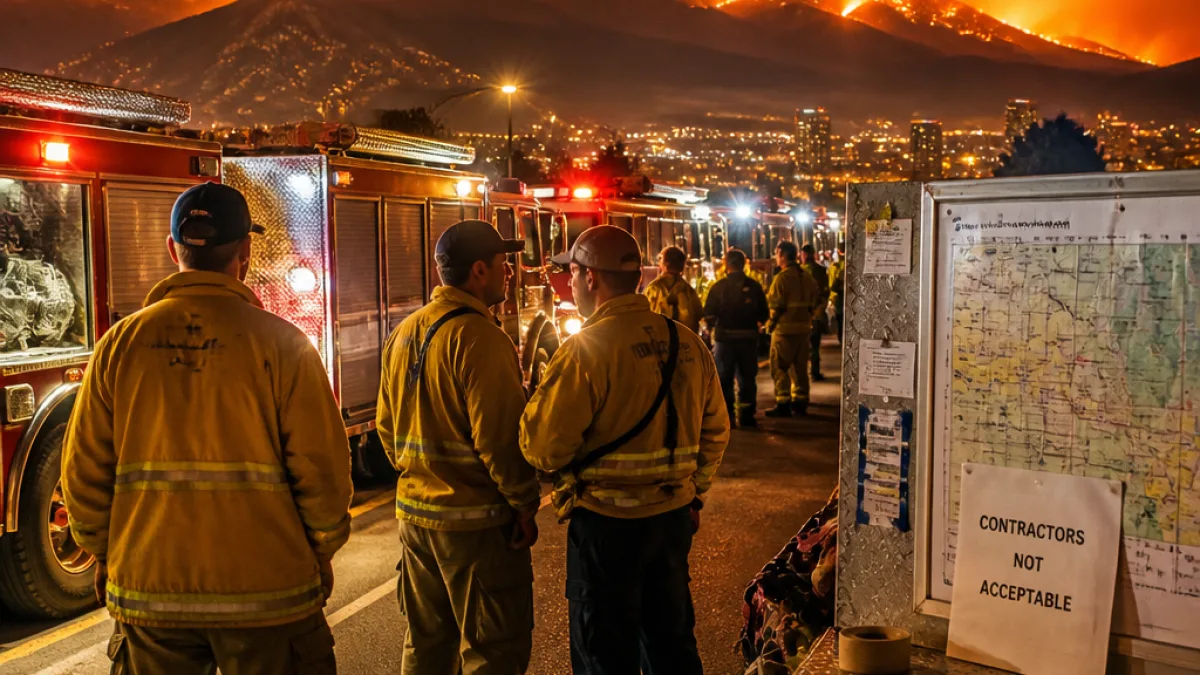
Additionally, reporting indicates that in 2025 many federal engine resource requests were marked "Contractors Not Acceptable," a designation that Holdstock and others say undermines the private contracting sector and may reduce the total available firefighting capacity when the West most needs it.
What this means locally
For Colorado communities, the combination of early-season drought conditions, heavy human-caused ignition risk and strained firefighting resources raises several practical concerns for residents and local officials:
- Review and rehearse evacuation routes now rather than waiting for immediate danger.
- Limit activities that can create sparks or flames during high-risk periods.
- Stay tuned to local emergency alerts and follow guidance from county and state fire authorities.
Fire managers nationwide traditionally rely on a mix of public cooperators and private contractors. The debate highlighted by Holdstock centers on whether current federal dispatch priorities effectively deploy the full range of available engines and crews during large, complex incidents.
| Issue | Detail |
|---|---|
| Cause of wildfires | Nearly 90% are human-caused (recent reporting) |
| Firefighter fatalities | Three young firefighters reported killed in recent blazes |
| Contractor role | Private contractors supplied more than half of engines on large fires during the highest activity stages |
| 2025 dispatch practice | Many federal engine requests marked "Contractors Not Acceptable" |
State and federal officials have not been quoted directly in the reporting summarized here, but the issues described point to potential policy reviews amid what many describe as an unusually early and risky fire season.
For Coloradans living in fire-prone areas, preparedness and prevention remain the most immediate tools for reducing risk. Local emergency management offices and fire departments can provide the latest guidance on fuels conditions, burn restrictions and evacuation planning tailored to specific counties and communities.
As the season unfolds, the balance between public and private firefighting resources and the dispatch practices that govern them are likely to receive increased scrutiny from local leaders and Western fire managers seeking to protect lives, property and critical watersheds.