Rhode Island’s new fiscal year budget includes $4.1 million to keep a pilot program that discounts fresh fruits and vegetables for SNAP participants running for roughly another year. The move preserves a benefit that officials say helped more than 140,000 residents access lower-cost produce and that has delivered about $10 million in rewards since the program began.
How the program works
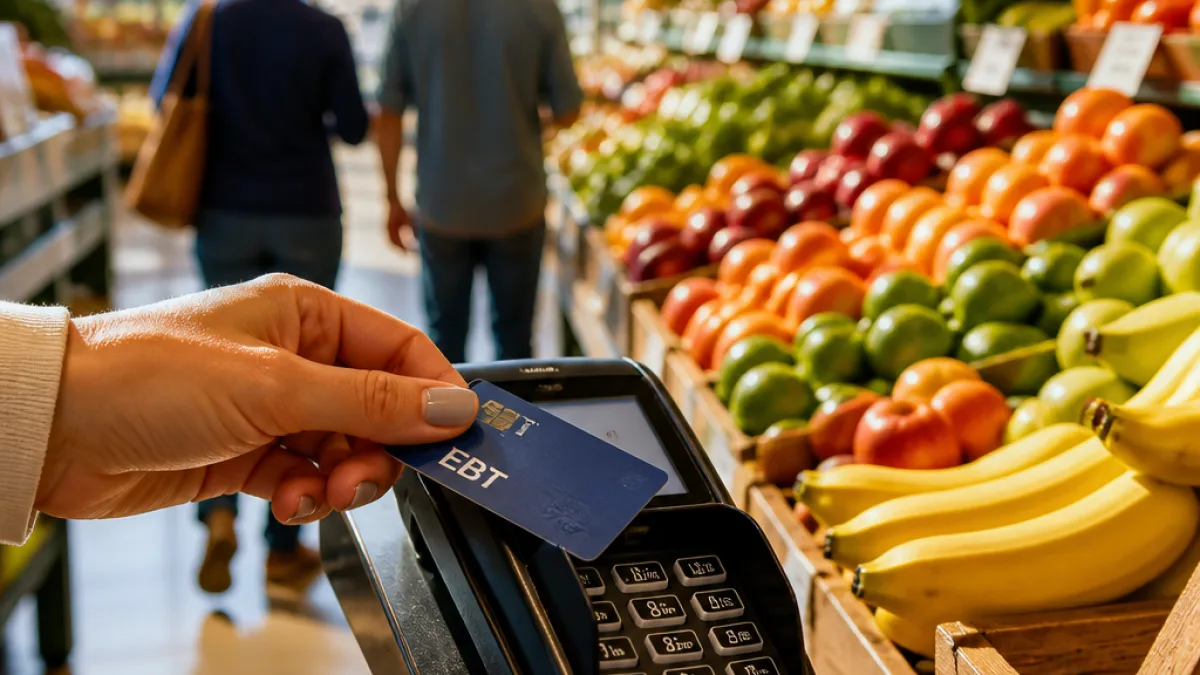
Launched in January 2024, Eat Well, Be Well pays SNAP shoppers 50 cents for every dollar they spend on qualifying fresh fruits and vegetables at participating retailers. Rewards are automatically applied to customers’ Electronic Benefit Transfer cards, with a monthly cap of $25. The original pilot was set to expire June 30, but the budget that took effect July 1 extends the program through funding in the fiscal 2027 plan.
Officials and participants react
Department of Human Services Director Kimberly Merolla-Brito said the continuation makes it easier for families to afford healthy meals. At a State House event marking the budget’s passage, public health advocates highlighted the pressure grocery inflation has placed on household budgets and framed the program as a targeted response.
“It helps Rhode Islanders put healthy meals on the tables,” said Kimberly Merolla-Brito.
A recent evaluation by the Rhode Island Public Health Institute shows more than 100,000 households have used the program since it began, drawing roughly $10 million in benefits. Amy Nunn, the institute’s executive director, said the appropriation will sustain the pilot for about another year.
Local impact and context
Neighborhoods such as Providence’s West End rank among the areas with the highest concentration of SNAP recipients in the state, according to research from the Economic Progress Institute. Local store owners and former participants at the State House event described the program as a practical way to stretch limited food budgets and introduce more variety into household meals.
One former recipient said he frequently reached the program’s monthly limit while shopping for his family, adding that the credit allowed him to buy foods he otherwise might not have been able to afford. Small grocers that accepted the benefit also said it encouraged customers to purchase produce they previously skipped.
- Program start: January 2024 (pilot)
- Households served: More than 100,000 (evaluation)
- Statewide reach: More than 140,000 SNAP recipients
- Monthly cap: $25 per EBT card
- FY27 allocation: $4.1 million
| Metric | Figure |
|---|---|
| Monthly match | 50% (50 cents per $1) |
| Monthly limit | $25 |
| Total benefits delivered | ~$10 million |
| FY27 funding | $4.1 million |
What’s next
State leaders say the appropriation will carry the program forward for about a year, giving policymakers and advocates time to evaluate longer-term options. For thousands of Rhode Islanders facing continued grocery inflation, the program’s extension provides immediate relief and keeps fresh produce more affordable at participating stores.
For SNAP recipients unsure whether their local retailer participates, check with the store or the Department of Human Services website for an updated list of participating locations and details on how rewards are applied to EBT cards.