South Carolina election officials have issued a clear ruling on voter participation in the upcoming special Republican primary to fill the U.S. Senate seat left vacant by Sen. Lindsey Graham’s death, spelling out who can and cannot cast a ballot on Aug. 11.
The South Carolina State Election Commission said Wednesday it reviewed state law and determined that voters who voted in the June Democratic primary are not eligible to vote in the Aug. 11 special Republican primary.
What this means for voters
Residents should note the following rules for the special Republican primary:
- Ineligible: Voters who voted in the June Democratic primary.
- Eligible: Voters who voted in the June Republican primary.
- Eligible: Voters who did not participate in either party's June primary.
The commission said its guidance stems from its review of state election statutes and the timing of the special election schedule, which was set on July 13 after Graham's sudden death.
"Based on that evaluation, voters who participated in the June Democratic Primary are not eligible to vote in the August 11 Special Republican Primary," the commission said in a statement.
Key dates and logistics
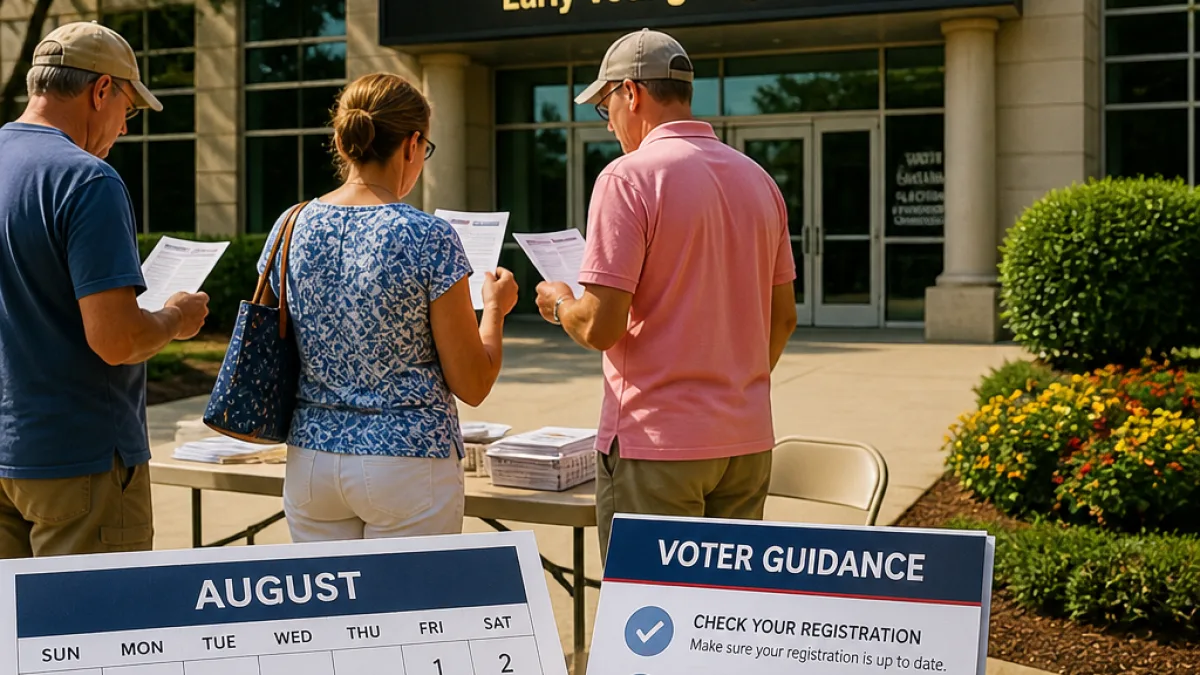
Candidates may file beginning at noon July 21. Early voting is scheduled for Aug. 5–7. The special Republican primary will be held on Aug. 11. If no candidate wins a majority, a runoff is set for Aug. 25.
| Date | Event |
|---|---|
| July 21 | Candidate filing opens at noon |
| Aug. 5–7 | Early voting |
| Aug. 11 | Special Republican primary |
| Aug. 25 | Runoff, if needed |
Legal backdrop
The announcement arrives while the South Carolina Republican Party pursues a federal lawsuit challenging the state's open primary system. In its complaint, the party argues that nonmembers should not be allowed to participate in Republican primaries because doing so infringes the party's constitutional rights.
South Carolina operates under an open primary framework that normally allows voters to choose either party's primary regardless of party registration. State GOP Chairman Drew McKissick said the party's lawsuit seeks to bar people who aren't party members from selecting the party's nominees.
"The simple truth is that you should not be able to choose a party's nominees without being a member of that party, and that's what our lawsuit is about," McKissick said in a statement.
Election officials' guidance does not resolve the underlying federal court case. If the lawsuit succeeds, the state’s procedures could change for future contests. For this special primary, however, the State Election Commission's interpretation governs who may vote on Aug. 11.
Voters with questions about their eligibility or polling locations should consult their county election office or the State Election Commission's website for specific guidance before the early voting period begins.
Delia Hayward is the South Carolina correspondent for News Block.