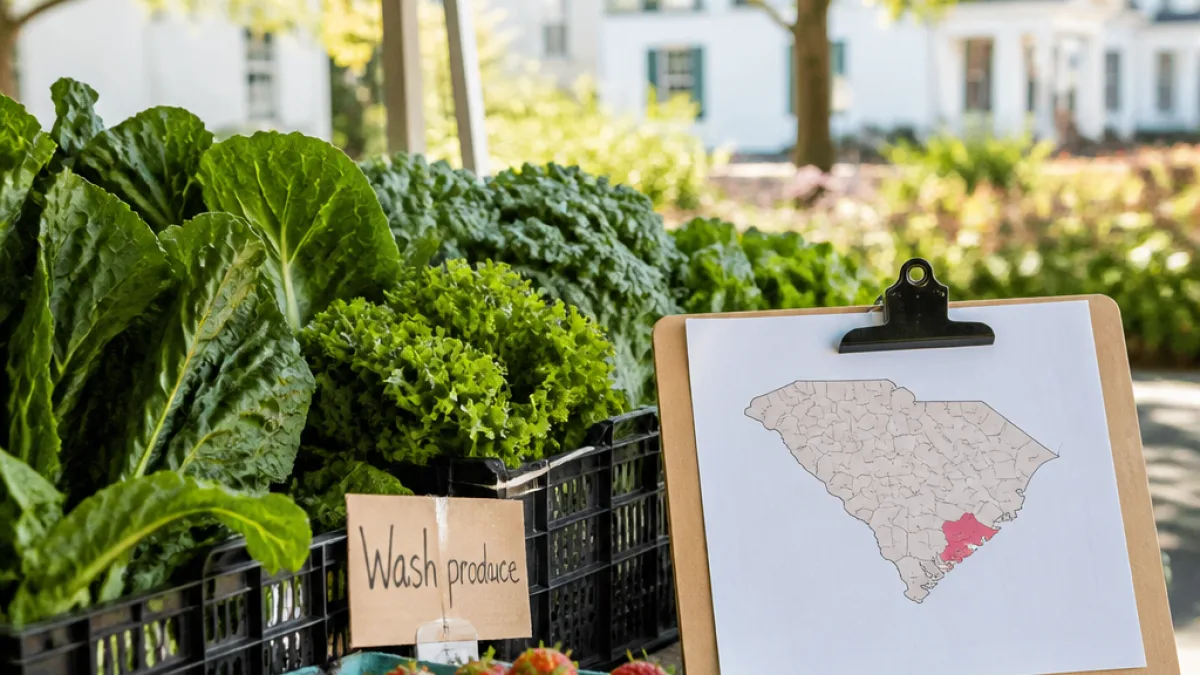
CHARLESTON — Charleston County has reported five confirmed cases of cyclosporiasis so far in 2026, making up nearly one-third of the 16 infections the South Carolina Department of Public Health (SCDPH) has logged statewide, officials said Thursday.
What residents should know now
Public-health authorities say infections have clustered in the summer months. The state recorded 10 cases in July, five in June and one in January, consistent with the seasonal pattern health departments typically see from May through August.
Cyclospora cayetanensis, the parasite that causes cyclosporiasis, produces gastrointestinal illness. Symptoms can include:
- Diarrhea
- Stomach cramps and bloating
- Nausea and fatigue
- Decreased appetite and weight loss
The disease is commonly tied to contaminated food or water. State public-health officials emphasized that while cases are being monitored, SCDPH is not investigating any outbreak within South Carolina and the state is not currently part of a multistate outbreak, according to the agency.
Where cases have been reported
The Lowcountry has accounted for five infections overall; the Upstate leads the state with eight confirmed cases. Officials said monitoring of reported cases is ongoing.
| Time period | Number of cases |
|---|---|
| January 2026 | 1 |
| June 2026 | 5 |
| July 2026 (to date) | 10 |
| Total | 16 |
Advice for residents and travelers
Health officials recommend basic precautions to reduce risk:
- Practice frequent handwashing with soap and water, especially before preparing or eating food.
- Wash fresh fruits and vegetables thoroughly under running water; peeling may remove some contamination.
- Drink water from treated or trusted sources; avoid ice or drinks of uncertain origin when traveling.
Anyone experiencing persistent diarrhea or other gastrointestinal symptoms should contact a healthcare provider, particularly if symptoms are severe or prolonged. Diagnosis requires laboratory testing, and treatment is available under medical guidance.
SCDPH said it is continuing routine surveillance and follow-up on reported cases. Residents can check the department’s website or local health departments for updates and guidance.
Delia Hayward is the South Carolina correspondent for News Block.