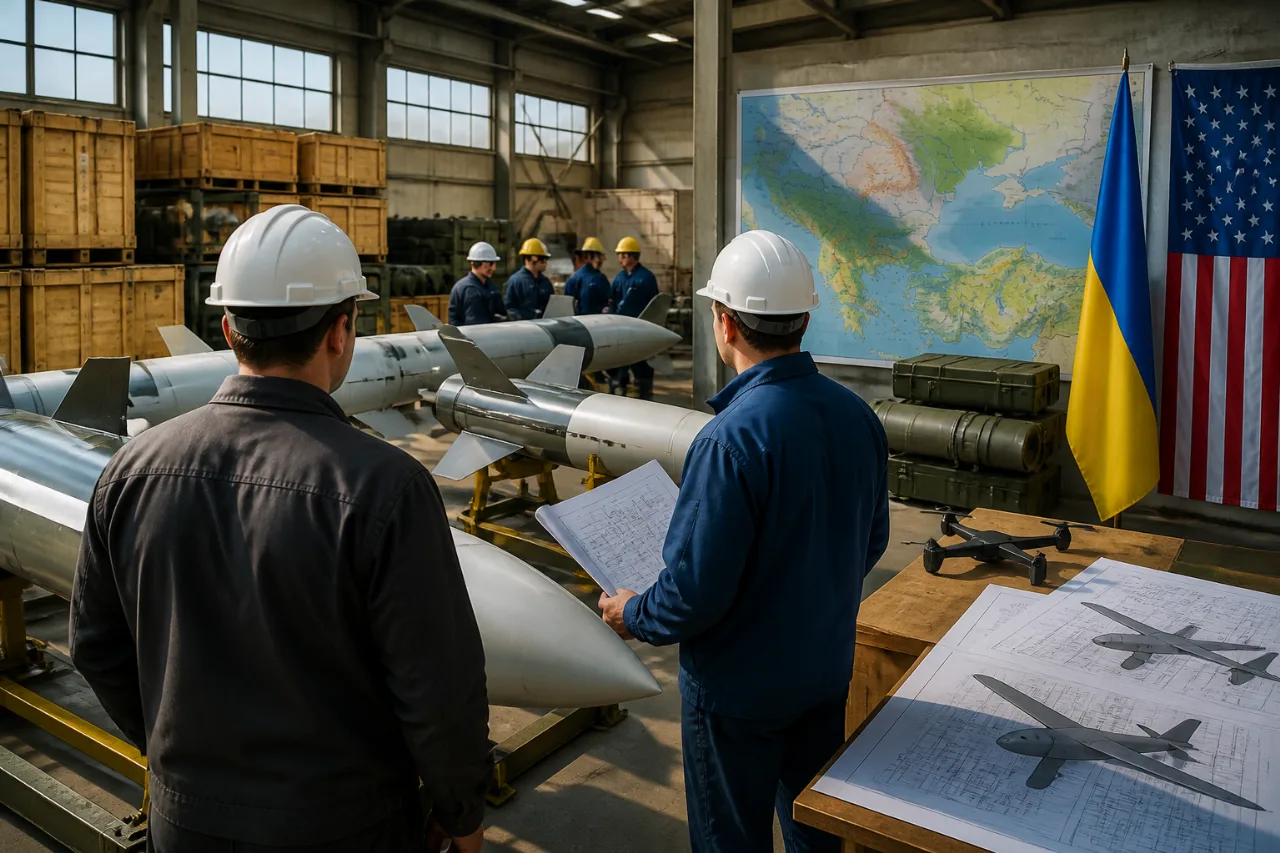
Ukraine and the United States have reached a political agreement on licences that would allow Kyiv to produce PAC-3 Patriot interceptor missiles, Ukrainian President Volodymyr Zelenskyy said Thursday, and he signaled that additional Patriot munitions were to arrive in the coming days.
What leaders said
Speaking after a NATO summit and bilateral talks in Turkey, Zelenskyy described the arrangement as a step toward expanding Ukraine’s ability to defend against long-range strikes. He also said discussions were underway with the United States about a separate cooperation on drones, including the prospect of joint production.
“It’s for ballistic targets, similar to Patriot, but more, I would say, mass-produced and a cheaper system,”
The Kremlin framed the licence development as evidence of Washington’s mixed approach to the conflict while acknowledging President Trump’s role in attempts to mediate a cease-fire, according to statements reported by officials. A senior Ukrainian official cautioned that, even with licences in place, domestic production of Patriot interceptors could take a year or longer.
Operational and diplomatic context
The PAC-3 is among the limited set of Western systems capable of intercepting ballistic threats that have increasingly targeted Ukrainian cities. Delivering licence rights and additional interceptors addresses both supply constraints and the need to transfer critical technical know-how to Kyiv.
- Short-term effect: Additional Patriot interceptors expected to arrive in the coming days, according to Zelenskyy.
- Medium-term effect: Licence terms would permit Ukrainian production, subject to the technical and industrial timeline officials warned could exceed a year.
- Broader cooperation: Parallel talks on drone production and a planned European meeting on developing a separate anti-missile system were also reported.
Implications for allies and the battlefield
If finalized and implemented, licences for Patriot interceptors would represent a notable transfer of defensive industrial capability to Ukraine, shifting some dependence away from repeated foreign deliveries. Kyiv’s reported interest in cheaper, more mass-produced systems could also prompt European partners to coordinate procurement and production strategies.
U.S. agreement on licences — even at a political level — is likely to require follow-up on export controls, technical assistance and supply chains. Those elements will determine how quickly Ukrainian factories might assemble complex interceptors and whether allied states will join parallel programs.
| Item | Report |
|---|---|
| Licence status | Political agreement announced by Zelenskyy |
| Short-term deliveries | Additional Patriot interceptors expected in coming days |
| Domestic production timeline | Could take a year or more, per Ukrainian official |
The announcement comes amid intensifying strikes on Ukrainian territory. U.N. officials reported that June saw the highest recent combined civilian casualty totals, underscoring the urgency Kyiv and its partners attach to improved air- and missile-defence capabilities.
How the United States frames and converts this political-level accord into binding licences, technical transfers and industrial partnerships will be watched closely in Washington, Kyiv and among NATO allies, where questions remain about costs, timelines and the broader strategy for sustaining Ukraine’s air-defence capacity.