
Connecticut health and environmental officials are urging caution for residents this weekend as wildfire smoke from Canada combines with an approaching storm system that could bring severe thunderstorms and power outages. The state Department of Energy and Environmental Protection and the Department of Public Health say outdoor air quality is expected to be at least moderate and in many areas unhealthy on Saturday.
What this means for residents
Sensitive individuals — including young children, older adults and people with heart or lung conditions such as asthma — should shorten or reduce intense outdoor activities and take more frequent breaks indoors, officials advised. Health commissioner Manisha Juthani warned that repeated exposure over multiple days increases risk for these groups.
"We expect wildfire smoke to impact Connecticut again on Saturday and produce unhealthy air quality across the state,"
said Emma Cimino, acting commissioner of the Department of Energy and Environmental Protection.
Officials are recommending practical steps to reduce exposure: keep windows closed when smoke is noticeable, check local air quality before going outside and move activities indoors when possible. If symptoms such as coughing, shortness of breath or chest tightness occur, residents are urged to go indoors and seek medical care if symptoms worsen.
Timing and other hazards
The poor air quality is tied to hundreds of fires burning in Canada this season, according to the Canadian Wildland Fire Information System. A high-pressure system off the coast is expected to transport smoke into Connecticut. At the same time, showers and thunderstorms are forecast to move in, raising the possibility of severe weather and power interruptions.
- Air quality: moderate to unhealthy across much of the state Saturday; improving to moderate on Sunday and reaching good or healthy by Monday.
- Health advice: sensitive groups should limit outdoor exertion and watch for symptoms of smoke exposure.
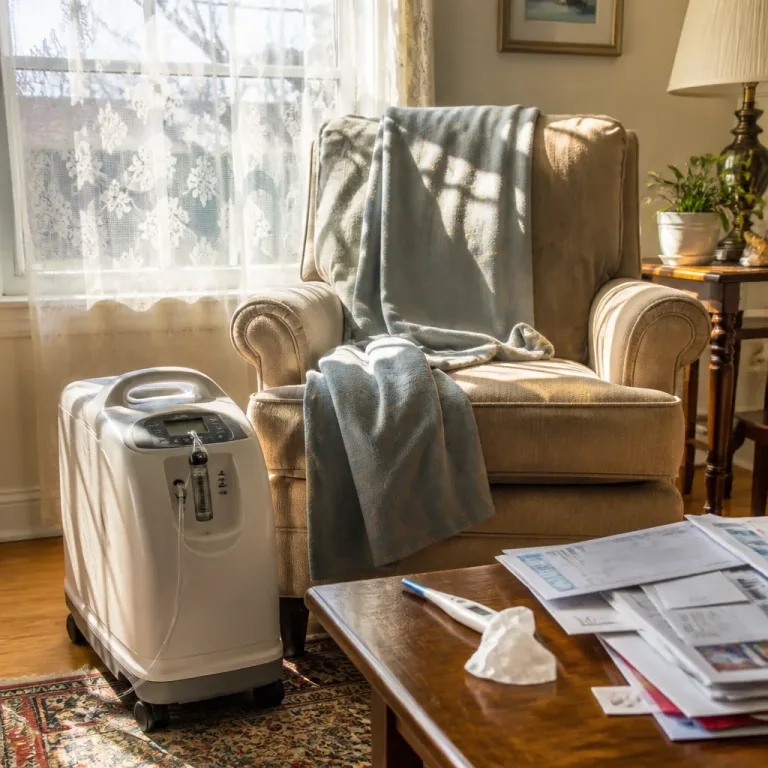
- Weather risk: thunderstorms could cause power outages and exacerbate health concerns for those relying on electrically powered medical devices.
State officials emphasized that air quality alerts spanning several days are more consequential than a single poor-hour event because the effects accumulate. They also noted the potential for storms to complicate response and recovery if power outages occur during the period of degraded air quality.
| Day | Expected air quality |
|---|---|
| Saturday | Moderate to Unhealthy |
| Sunday | Moderate |
| Monday | Good/Healthy |
Residents should monitor updates from DEEP and the Department of Public Health and use resources such as local forecasts and air-quality maps before planning outdoor activities. Those with respiratory or cardiac conditions should have medications and action plans ready and consider staying in air-conditioned spaces if available.
For the general public, officials recommend staying informed about both air-quality advisories and local weather alerts over the weekend, as conditions may change with shifting winds and the passage of the storm system.