State officials caution against intervening with infected wildlife
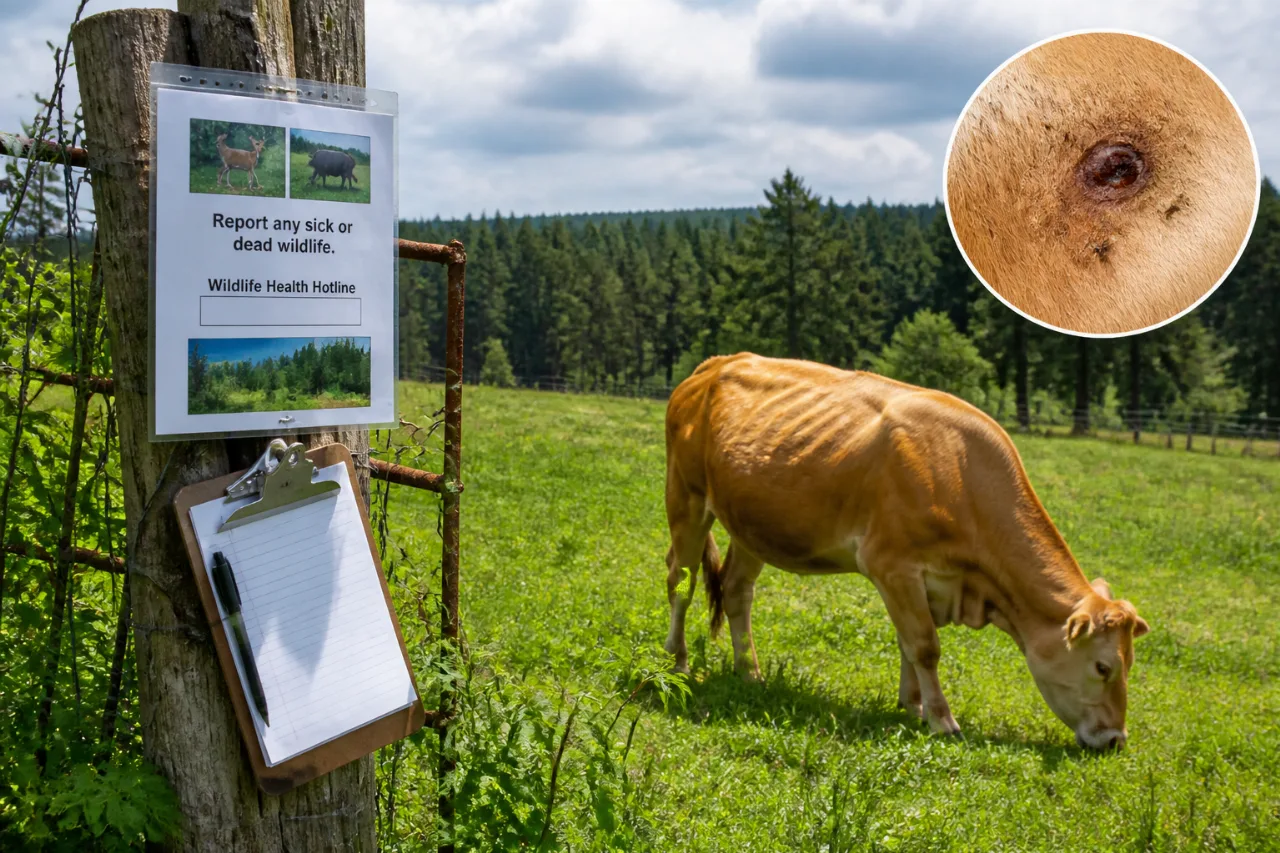
LITTLE ROCK — The Arkansas Game and Fish Commission is advising residents and wildlife watchers to be vigilant after the New World screwworm, a parasitic fly larva that feeds on living tissue, was reported in South Texas in June. The agency reiterated that well-intentioned attempts to treat free-ranging animals often do more harm than good and asked the public to report concerns to its wildlife health line.
Commission staff stressed that the parasite’s appearance in Texas heightens concern for neighboring states because of the mobility of livestock and wildlife. While the agency did not announce any confirmed Arkansas cases, officials urged Arkansans to follow specific precautions to reduce the risk of spread.
"It's better to leave the animals alone and let them self-medicate,"
The commission warned that attempting to capture or apply treatments to wild animals can cause additional stress, injury or unintended ecological consequences. Instead, the agency recommended documenting signs of illness and contacting the wildlife health line so trained personnel can evaluate and respond appropriately.
What to watch for and what to do
- Look for animals that appear debilitated, have open wounds, or show unusual behavior or poor body condition.
- Avoid direct contact with sick or injured wildlife; do not attempt to treat or transport them.
- Report observations to the Arkansas Game and Fish Commission’s wildlife health line for guidance from professionals.
The commission’s alert reflects concerns about both wildlife well-being and the potential threat to livestock. Historically, screwworm infestations can cause severe wounds in many warm-blooded animals and have been costly to agriculture where outbreaks occur.
| Item | Details |
|---|---|
| Latest confirmed detection | South Texas (June) |
| Primary agency | Arkansas Game and Fish Commission |
| Public action | Report wildlife health concerns; do not attempt treatment |
For Arkansas landowners and outdoor enthusiasts, the commission’s guidance emphasizes observation and reporting rather than intervention. State wildlife specialists are better positioned to determine whether animals require capture, treatment or quarantine measures that minimize additional harm and prevent wider transmission.
Arkansas has not released details on any confirmed local cases as of the commission’s advisory. Residents who encounter animals that appear ill or injured should document the location, species and visible symptoms and relay that information to the wildlife health line rather than handling animals themselves.
The situation remains dynamic; the commission’s notice is intended to help the public recognize potential signs of screwworm and to channel responses through professional channels that can protect wildlife, livestock and public safety.