
A Connecticut Superior Court judge who lost his daughter to a fentanyl overdose is leading a push to create the state’s first mental health court, joining a task force intended to divert people with complex behavioral-health needs away from repeated criminal justice involvement and into treatment.
The judge, Dan Klau, described how his daughter, Miriam, struggled with a combination of mental-health conditions and substance use that repeatedly brought her into contact with the legal system. Officials say the proposed court would focus on linking individuals to comprehensive care before they cycle through arrests, prosecutions and short-term treatments that do not address co-occurring disorders.
What sparked the effort
Klau recounted Miriam’s history of mental-health challenges and later addiction, saying she had “executive function issues related to borderline personality traits, ADHD.” He also said she suffered from narcolepsy. After high school, Miriam developed a substance use disorder and left home at age 18, at one point living on the streets in New York City. She was arrested there in August 2015.
“She eventually ended up living on the streets in New York City with a bad heroin habit. She was arrested in August of 2015,” Klau said.
According to Klau, court-ordered drug treatment programs were tried but staff repeatedly struggled to manage Miriam’s overlapping mental-health needs and substance use. The family later found a treatment facility in Los Angeles that could address both conditions. Miriam completed the program and stayed sober for about a year before relapsing; Klau said the drugs were laced with fentanyl and that first responders were unable to revive her.
How a mental health court would work
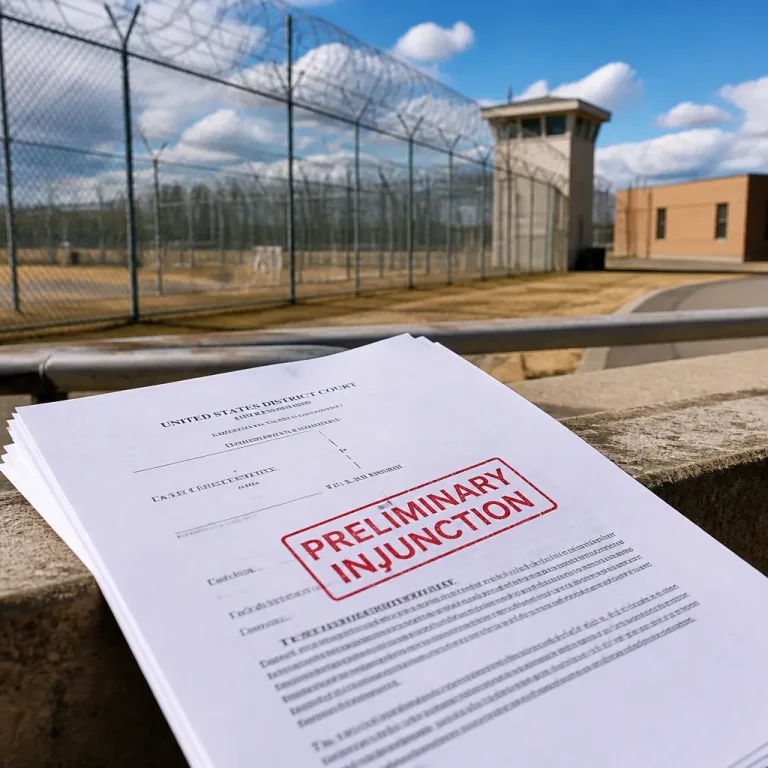
Although details of the task force’s plan are still being developed, mental health courts typically offer structured judicial oversight combined with coordinated treatment, case management and regular monitoring. Proponents argue they reduce recidivism, improve health outcomes and lower overall costs compared with repeated incarceration for people whose offenses are driven by untreated mental illness or addiction.
- Target group: defendants with significant mental-health conditions and co-occurring substance use.
- Interventions: tailored treatment plans, case management and judicial supervision.
- Goal: reduce jail cycles and connect people to sustained community care.
Klau’s decision to participate in the task force adds a personal and judicial perspective to the effort. He has shared family materials, including a recording of Miriam singing, which he said the family played at her gravesite on the first anniversary of her death.
Local implications
Connecticut has recently confronted rising overdose deaths driven in part by fentanyl. Advocates say a dedicated mental health court could fill gaps in the state’s response by ensuring people with complex needs receive comprehensive services rather than short-term programs that fail when underlying psychiatric issues remain unaddressed.
| Year / Event | Detail |
|---|---|
| After high school | Miriam developed a substance use disorder and left home at 18 |
| August 2015 | Arrested in New York City amid heroin addiction |
| Afterwards | Completed treatment in Los Angeles and relapsed about a year later |
State officials and legislators will need to sort out funding, eligibility criteria and program structure if the task force recommends creating the court. Advocates caution that success depends on investments in treatment capacity and cross-system coordination among courts, behavioral-health providers and community supports.
Klau’s involvement underscores the human toll behind policy debates over addiction and mental health. He has described discovering creative work Miriam left behind, and said family members continue to mark her memory in personal ways as they engage with efforts to prevent similar tragedies.
News Block will follow developments as the task force outlines specific proposals and any legislative steps to establish a mental health court in Connecticut.