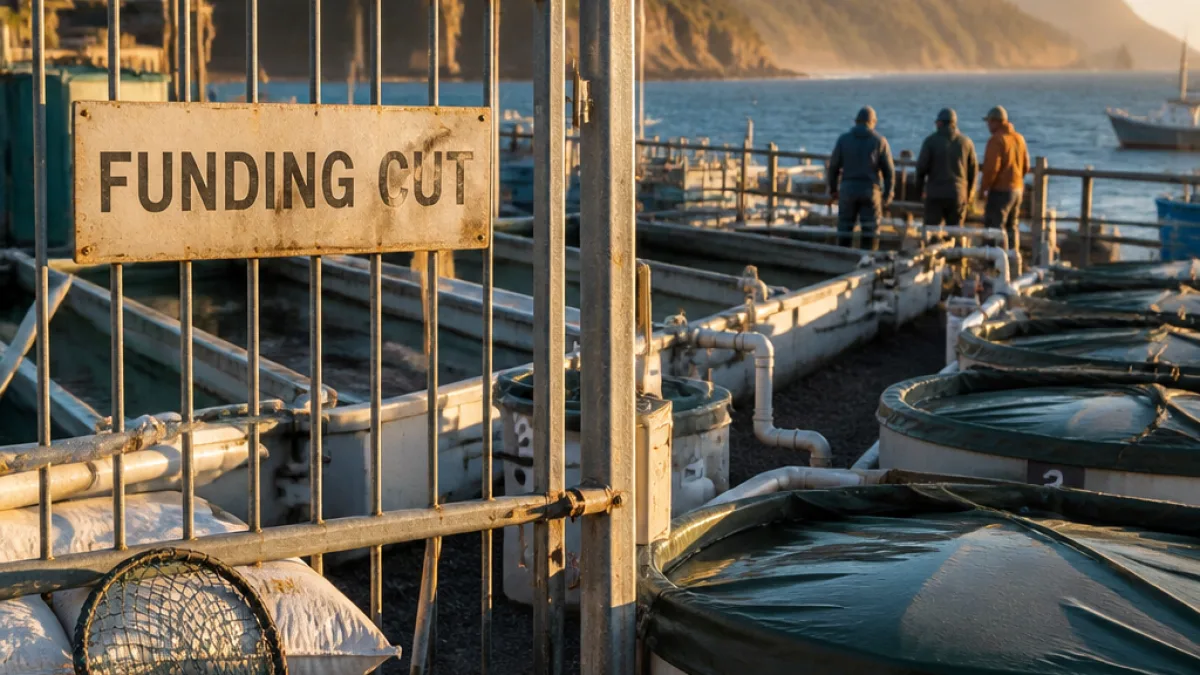
State and federal lawmakers in Oregon are criticizing the Bonneville Power Administration after the federal agency announced it will stop nearly $2 million in annual funding for the Select Area Fisheries Enhancement (SAFE) Program, a long-running hatchery initiative that supports salmon production in the state.
Lawmakers warn of ripple effects on fish and local economies
The Oregon Coastal Caucus — seven state legislators who represent coastal districts — sent a letter on July 1 to BPA Acting Administrator and CEO Robin Furrer expressing deep concern about what they called a sudden decision that could imperil the program’s inventory of around 7 million salmon currently being raised for future release.
“Everyone from hotels, restaurants, boat builders, and mechanics, just to name a few, benefits from the business that the sport fishing community brings into these communities while they spend time fishing for these SAFE area fish,” the caucus wrote, according to reporting by Oregon Public Broadcasting.
The caucus and members of Oregon’s congressional delegation argued the SAFE hatcheries have helped generate millions of dollars for the region’s economy and have reduced fishing pressure on salmon populations protected under the Endangered Species Act by supplying non-protected fish to anglers.
BPA explained to reporters that it is ending support "because the program has not made sufficient progress toward improving populations of salmon protected under the Endangered Species Act." The SAFE Act, which established the program, has been in place since 1993.
Concerns over wild fish and commercial catch
Lawmakers pointed to data showing a large share of spring chinook and coho salmon caught by commercial fishers in the region have been produced in SAFE hatcheries. They warned that removing funding could push anglers to target wild stocks, increasing pressure on fish already listed under the Endangered Species Act.
“It’s frustrating. What exactly is the goal here, and what are we planning to do to support these fisheries,” Representative Cyris Javadi (D-Tillamook) told Oregon Public Broadcasting. “Because there’s going to be a whole lot of folks that are really upset if wild salmon, and other fish on the Endangered Species Act, start getting more fishing pressure on them, because there’s a lack of hatchery fish.”
Members of Oregon’s congressional delegation also sent a letter to BPA decrying the loss of funding and warning of the program’s broader regional impacts. The letters underscore a widening rift between some local leaders and a federal agency that controls significant Bonneville-financed mitigation dollars tied to hydropower operations on the Columbia River system.
What we know and what remains uncertain
Key facts released so far:
- Funding cut: roughly $2 million removed from SAFE program support
- Fish in rearing: about 7 million salmon being raised in SAFE hatcheries
- Program history: SAFE Act established in 1993
- Authority statement: BPA cited insufficient progress toward recovery goals for ESA-listed salmon
| Item | Figure |
|---|---|
| Approximate funding at stake | $2,000,000 |
| Salmon currently in hatcheries | 7,000,000 |
| SAFE Act year | 1993 |
Investigations and follow-up discussions between BPA and state and federal lawmakers are expected. Lawmakers say they want clarity on BPA’s end goal and a plan to sustain both fisheries and the coastal economies that depend on hatchery-produced fish.
The dispute highlights broader tensions over how to balance endangered species recovery, hatchery operations and the economic needs of river and coastal communities. For now, coastal fisheries managers, commercial and recreational fishing businesses and communities that host visiting anglers are watching for decisions that will affect both the salmon in the water and the people who rely on them.