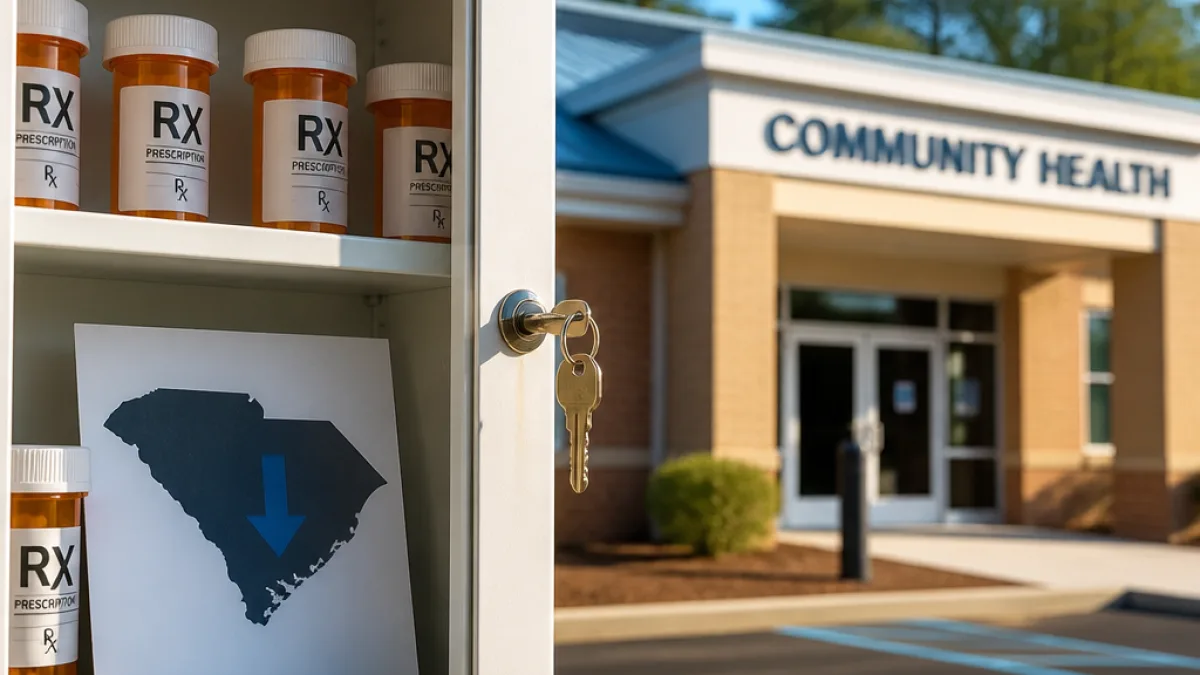
South Carolina recorded a decline in drug overdose deaths in 2024, marking the state's second consecutive year of fewer fatalities and the first back-to-back annual drop in more than a decade, state officials said Friday.
What this means for residents
The consecutive declines suggest a possible shift in the long-running trend of rising overdose deaths across the state, officials said. That could affect funding priorities, prevention programs and how local health agencies allocate resources for treatment and emergency response.
Officials emphasized the continued need for vigilance. Even with recent declines, overdose remains a leading cause of accidental death nationally and in South Carolina, and communities are being urged to maintain prevention and treatment services.
Statewide context and local impact
The announcement did not include specific death totals or county-by-county breakdowns, but state leaders called the two-year decline an important development after more than a decade of mostly rising numbers.
Local public health departments, first responders and treatment providers are likely to watch whether the trend holds in 2025 and beyond. Changes in emergency medical service calls, naloxone distribution and substance use disorder treatment demand could follow if the decline continues.
- Trend: Two consecutive years of decline in overdose deaths (2023 and 2024).
- Significance: First back-to-back annual decline in more than 10 years.
- Implication: Potential adjustments to prevention, treatment and funding priorities statewide.
| Year | Trend |
|---|---|
| 2023 | Decline |
| 2024 | Decline |
What residents can do
Health officials and community groups urge residents to take practical steps to reduce risk in their families and neighborhoods:
- Secure prescription medications and dispose of unused pills through take-back programs when available.
- Learn to recognize signs of an overdose and how to use naloxone; many local agencies offer training and free or low-cost naloxone kits.
- Seek help early for substance use concerns — local health departments and community providers maintain treatment and counseling resources.
State leaders say the latest decline is a reason for cautious optimism but not complacency. They plan to monitor trends and continue supporting prevention, harm reduction and treatment efforts across South Carolina.
Delia Hayward, News Block South Carolina Correspondent