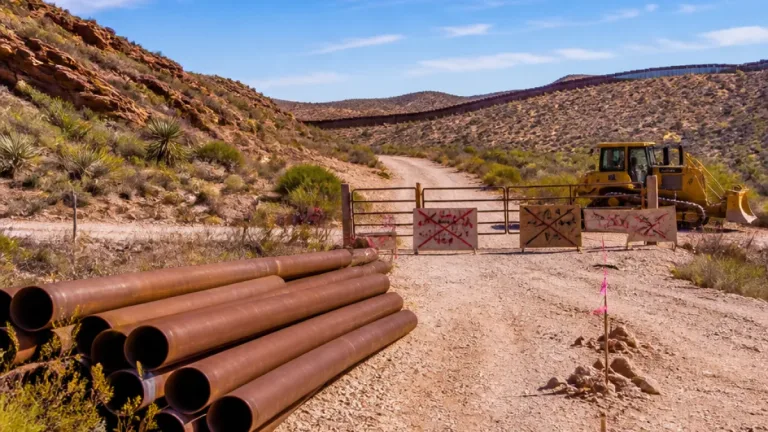

What changes for Utah residents: On Monday, President Trump signed executive orders that reduce the footprints of Bears Ears and Grand Staircase-Escalante national monuments in Utah by about 3 million acres, roughly 90% of both areas’ original size. The decision immediately drew sharp criticism from conservation organizations and tribal nations that said they were not consulted.
Federal action and local responses
The White House and Utah’s top Republican officials defended the move as intended to allow the remaining protected lands to be better managed and to improve public access.
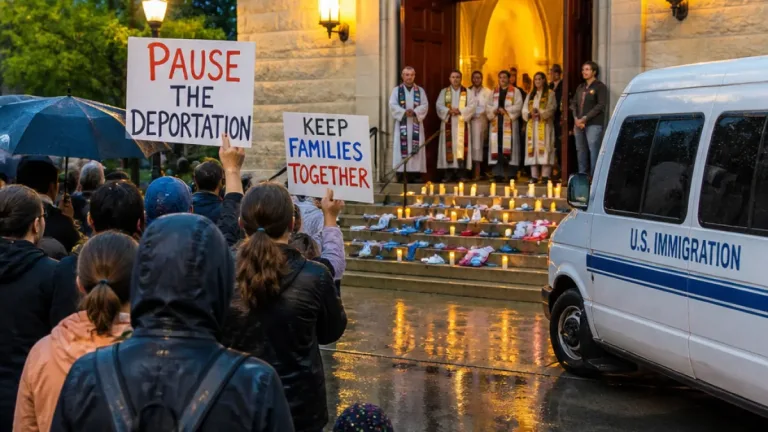
Environmental and Indigenous groups across the West called the action a major rollback of protections. Mark Allison, executive director of New Mexico Wild, described the reduction as "a travesty" and said he believes the move is illegal.
"So all that means we're on high alert," Allison said, warning that the decision opens the door to similar actions targeting other monuments.
Regional implications
Conservation leaders in neighboring states say the order signals a new threat to monuments designated under recent presidents. New Mexico Wild singled out three New Mexico monuments that share characteristics with the Utah monuments and could be at risk.
- Organ Mountains-Desert Peaks
- Río Grande del Norte
- Kasha-Katuwe Tent Rocks
Those three were created by Democratic presidents and, according to reports cited by New Mexico Wild, have appeared on internal Interior Department lists of potential targets for reductions.
Political background tied to federal appointees
The organization pointed to prior opposition to monument designations by federal appointees: while serving in Congress representing New Mexico’s 2nd District, newly confirmed U.S. Bureau of Land Management Director Steve Pearce opposed the designation of the Organ Mountains-Desert Peaks monument near Las Cruces. That history contributes to concern among Western conservationists about further changes to monument status.
| Monument | Action |
|---|---|
| Bears Ears (Utah) | Reduced as part of 3 million-acre cut |
| Grand Staircase-Escalante (Utah) | Reduced as part of 3 million-acre cut |
| Organ Mountains-Desert Peaks (N.M.) | Identified by advocates as a potential future target |
What happens next
Conservation groups said they will monitor federal actions closely and prepare legal and public campaigns if other monuments are targeted. Tribal nations, including the Navajo Nation and the Zuni Tribe, have also protested the Utah reductions and emphasized they were not consulted in the decision-making process.
For Utah residents and visitors, the immediate practical impacts depend on how the new boundaries are implemented by federal land managers and whether states or tribes pursue legal challenges. The cuts raise questions about long-term stewardship, access and the role of monument designations in preserving archaeological and cultural resources.
Reporting by News Block staff in the region; statements from New Mexico Wild and accounts of tribal opposition were cited in coverage of the executive orders.