South Carolina saw a substantial reduction in fatal drug overdoses in 2024, state health officials reported Friday, marking the second consecutive year of declines and the first back-to-back drop in more than a decade.
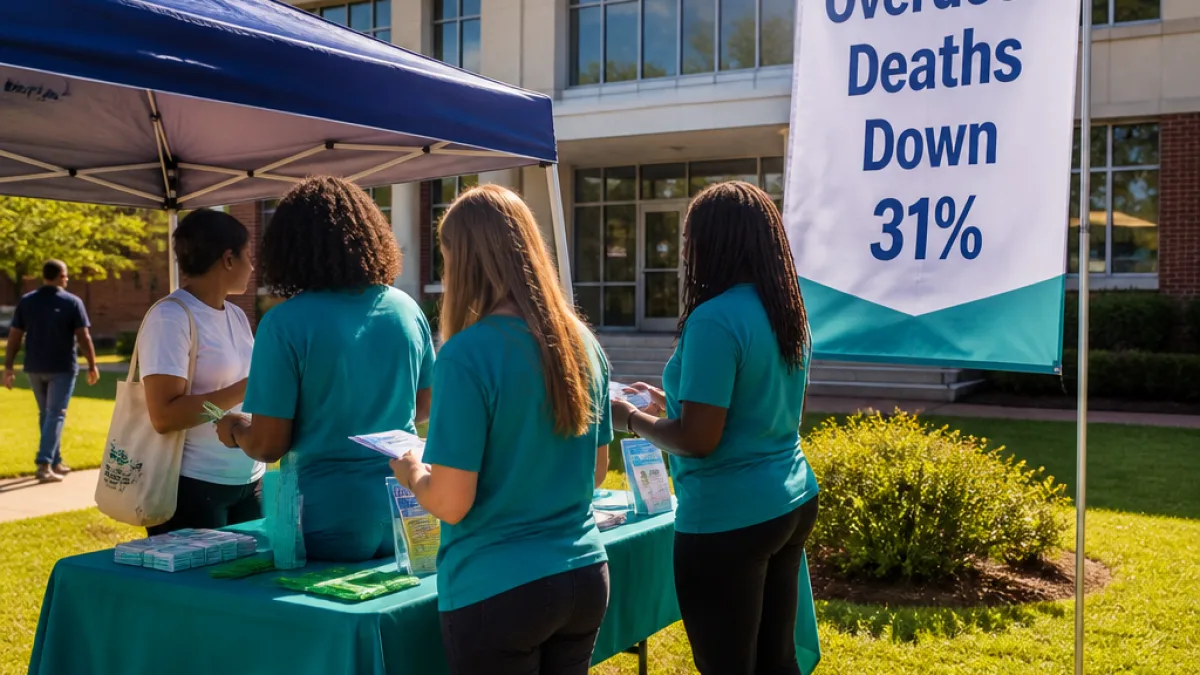
The South Carolina Department of Public Health said the state recorded just under 1,500 overdose deaths last year, a 31% decrease from 2023 — a change public health leaders framed as almost 500 fewer deaths than the prior year.
What changed for residents
Officials and recovery advocates attributed the improvement to broader distribution of overdose-reversal medication, stepped-up prevention efforts and heightened public education. Expanded access to naloxone, commonly sold as Narcan, was cited as a key factor: the medication can reverse opioid overdoses quickly when administered in time.
“Even one is too many,” said Dr. Brannon Traxler, acting director of the South Carolina Department of Public Health. “Almost 500 — that’s almost 500 people’s loved ones that are alive that might not have been, and so that is a big deal.”
Advocates who work directly with people affected by substance use also emphasized the human toll behind the numbers. Amber Frazier of The Courage Center described how families continue to grapple with addiction and loss.
Where deaths were highest — and where they fell most
The counties with the largest numbers of overdose fatalities in 2024 were:
- Charleston
- Greenville
- Horry
- Richland
- Lexington
Some counties recorded pronounced year-over-year declines. Officials pointed to Jasper, Georgetown and Spartanburg among those with some of the largest drops in overdose deaths.
| Metric | 2024 figure (reported) |
|---|---|
| Estimated overdose deaths | Just under 1,500 |
| Percent change from 2023 | 31% decrease |
| Estimated lives saved vs. 2023 | Nearly 500 |
Who is most affected
State data indicate adults ages 35 to 44 remained the age group most affected by fatal overdoses in 2024. Public health officials said targeted outreach to those populations, combined with destigmatizing treatment and expanding options for recovery, helped drive more people to seek services.
Officials and recovery organizations caution that while the trends are encouraging, overdoses remain a serious concern and sustaining the gains will require continued investment in prevention, treatment and harm-reduction programs.
Officials encouraged people to learn how to use naloxone and to connect with local health departments and community groups for resources on treatment and recovery support. Details about local naloxone distribution and treatment programs are handled by county health agencies and community organizations across the state.
State public health leaders said they will continue tracking overdose data and refining strategies to reduce fatalities further.